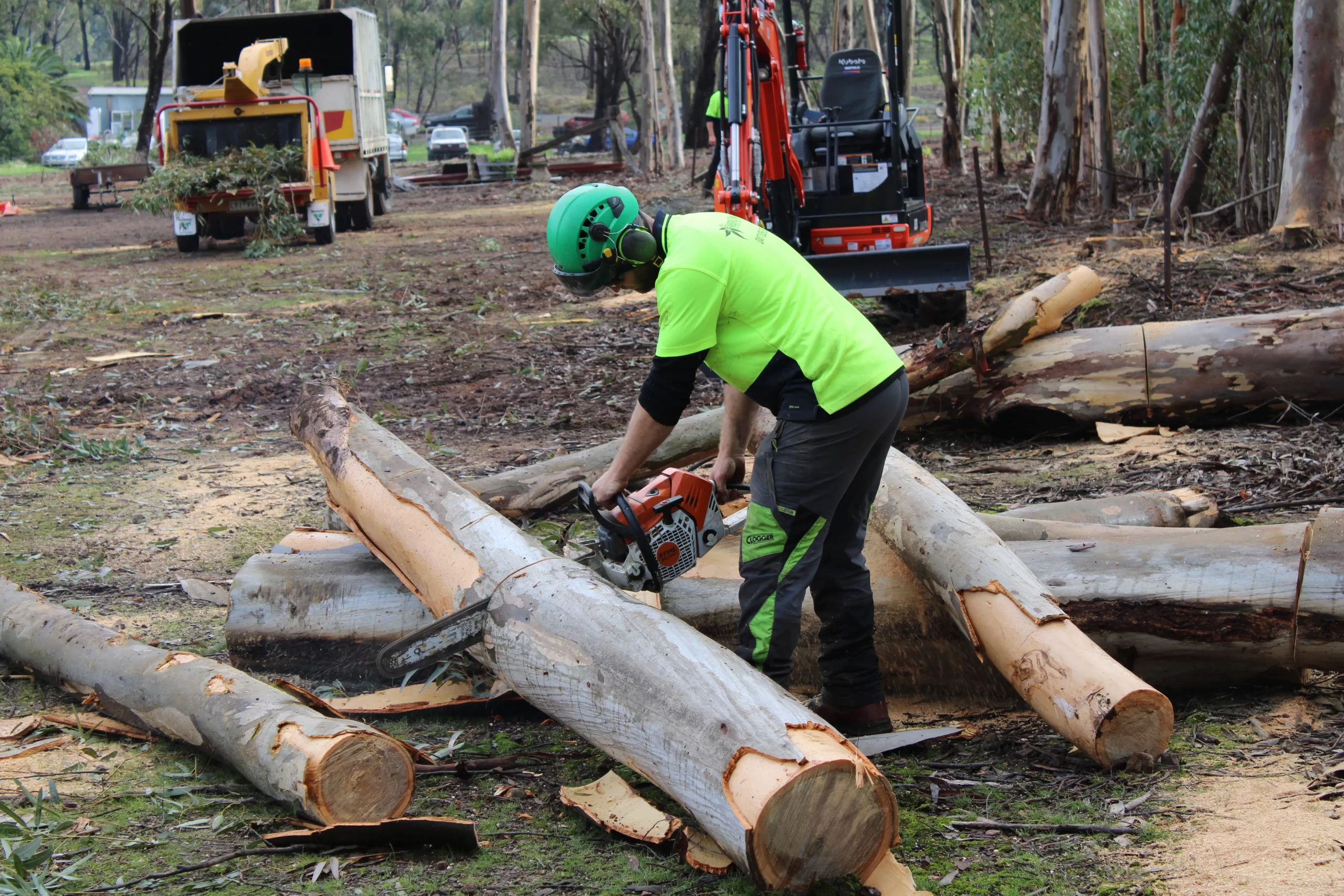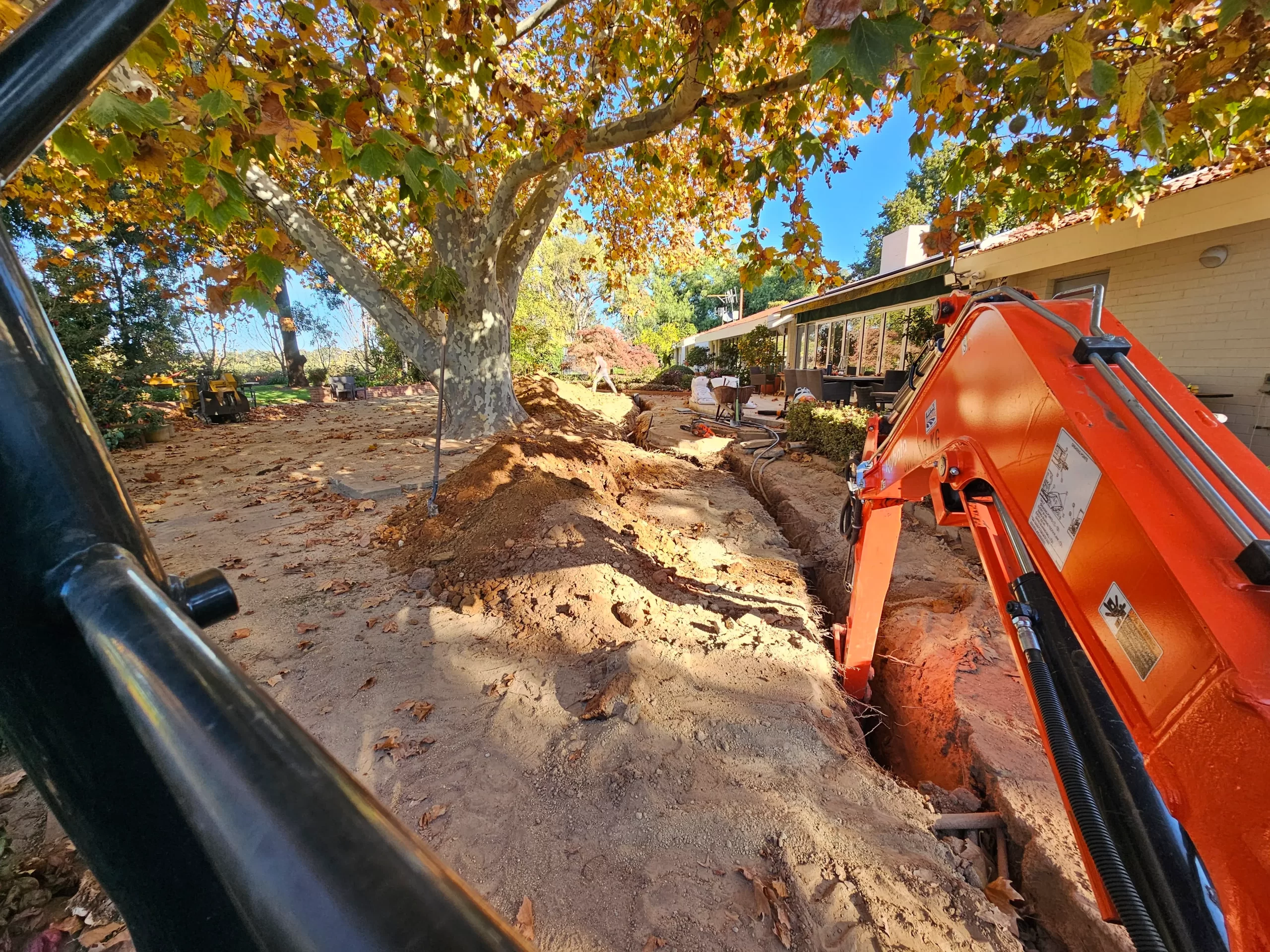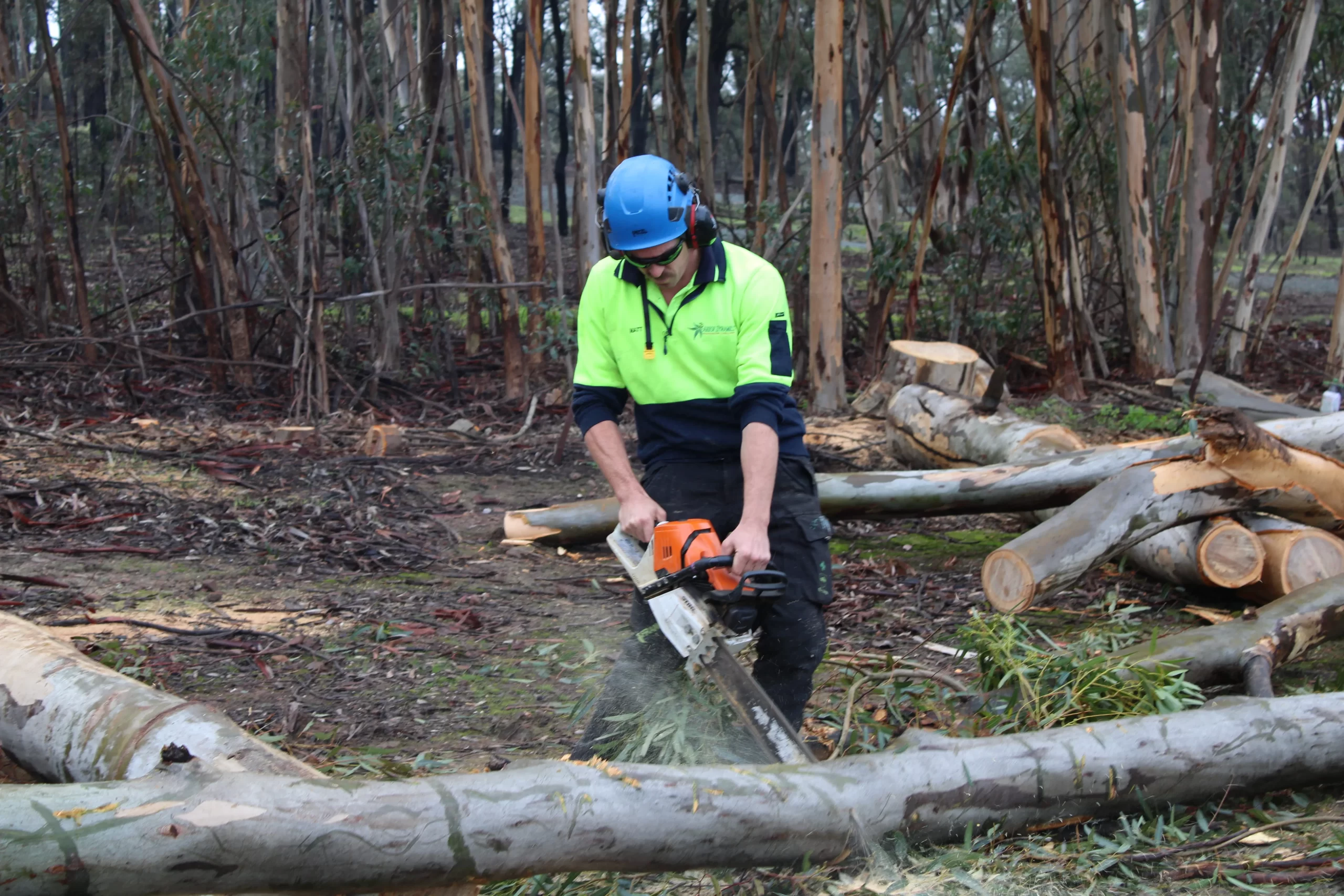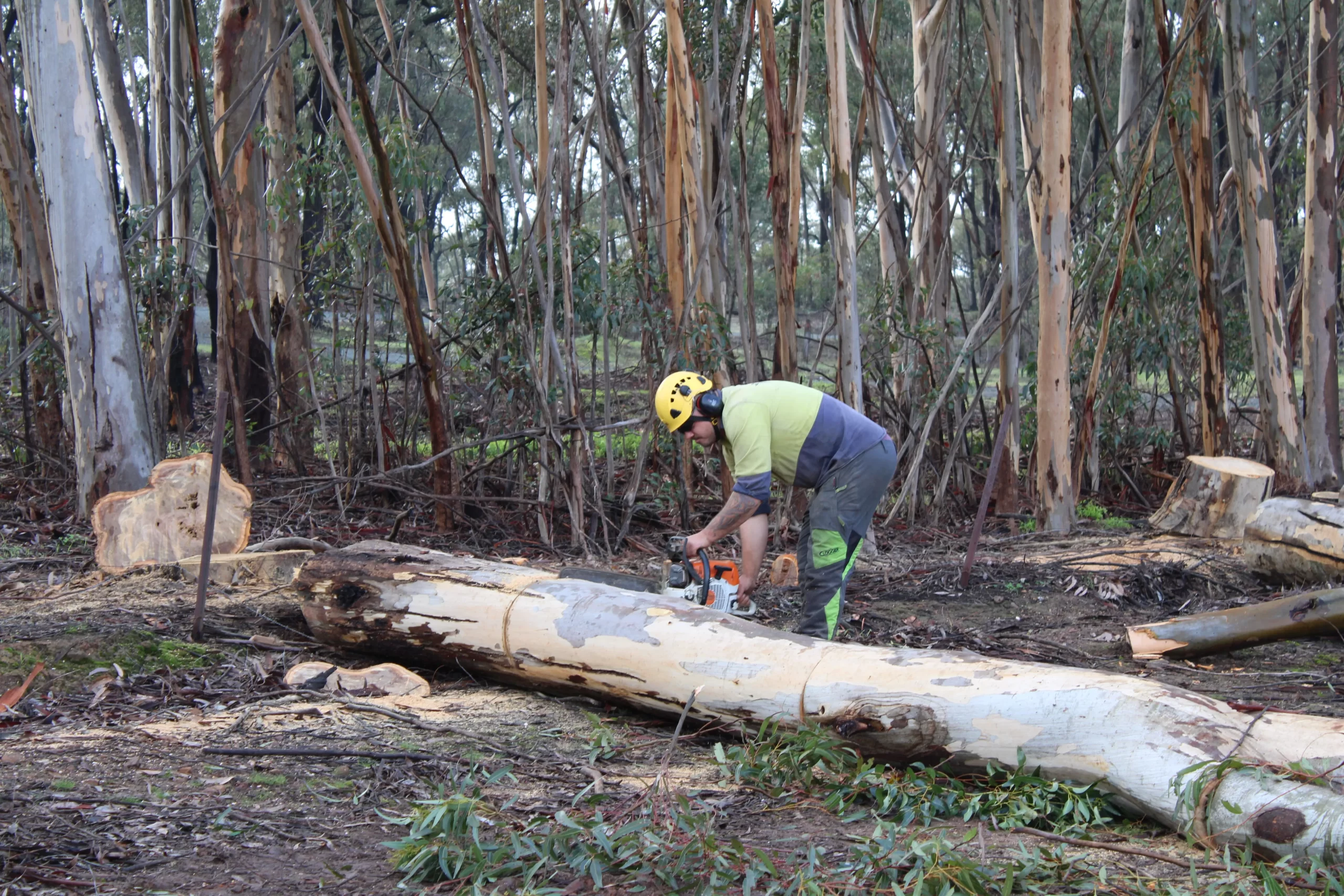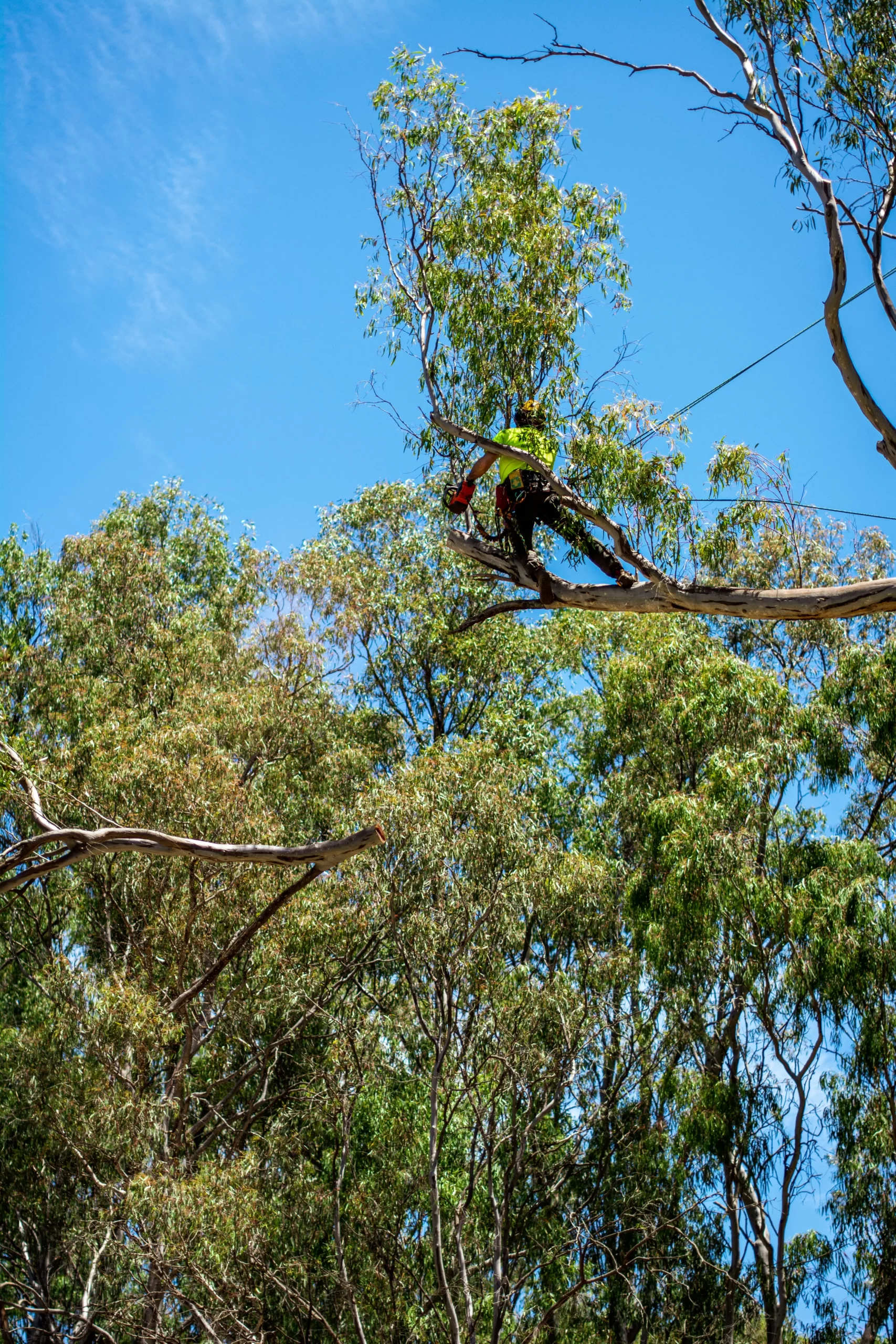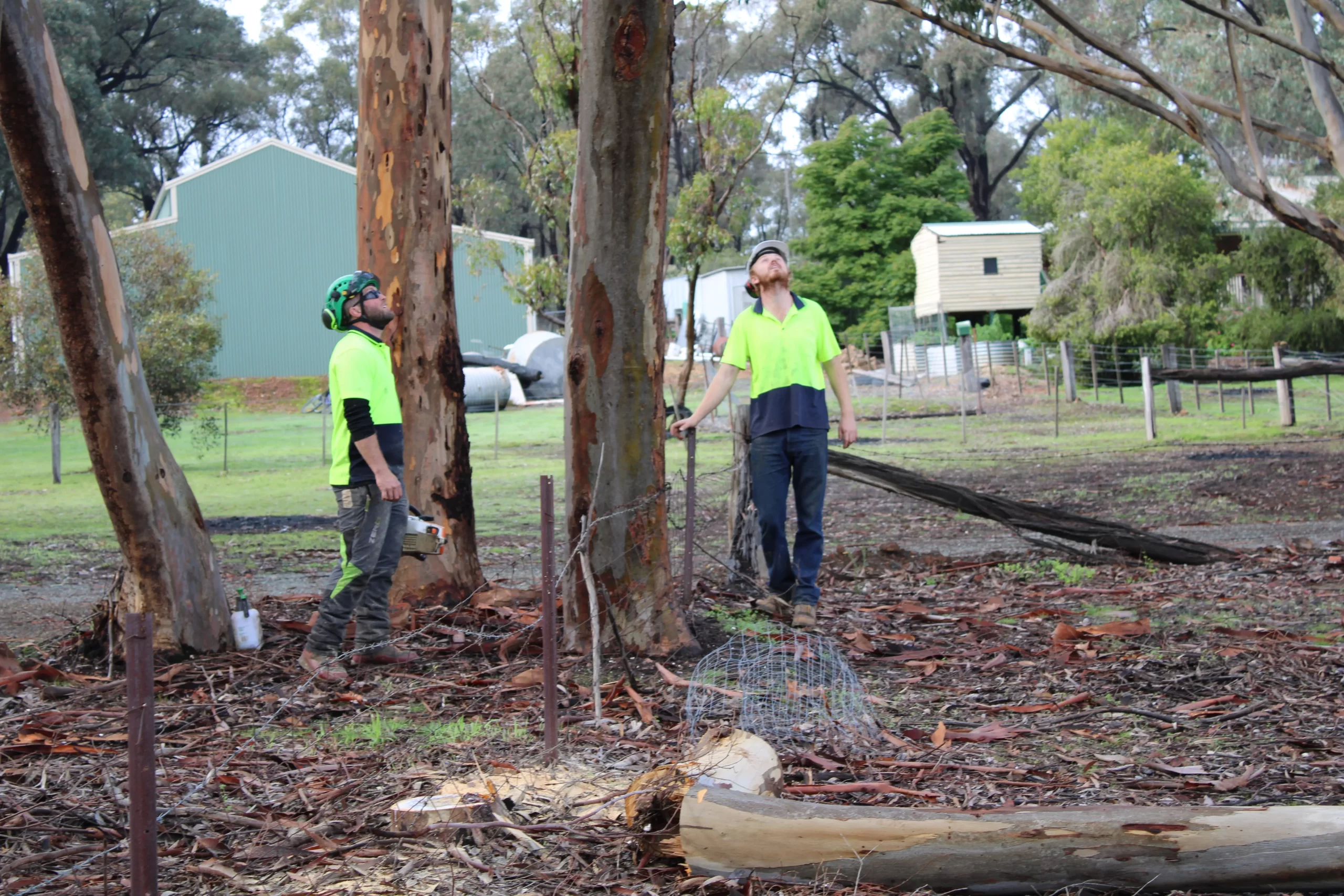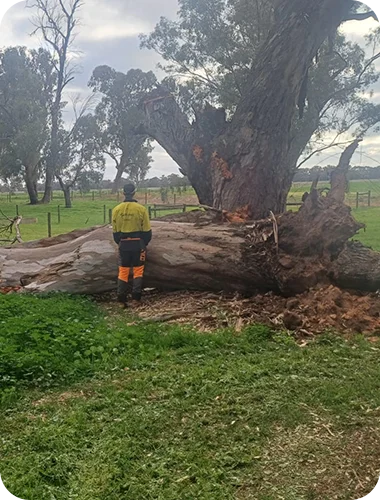
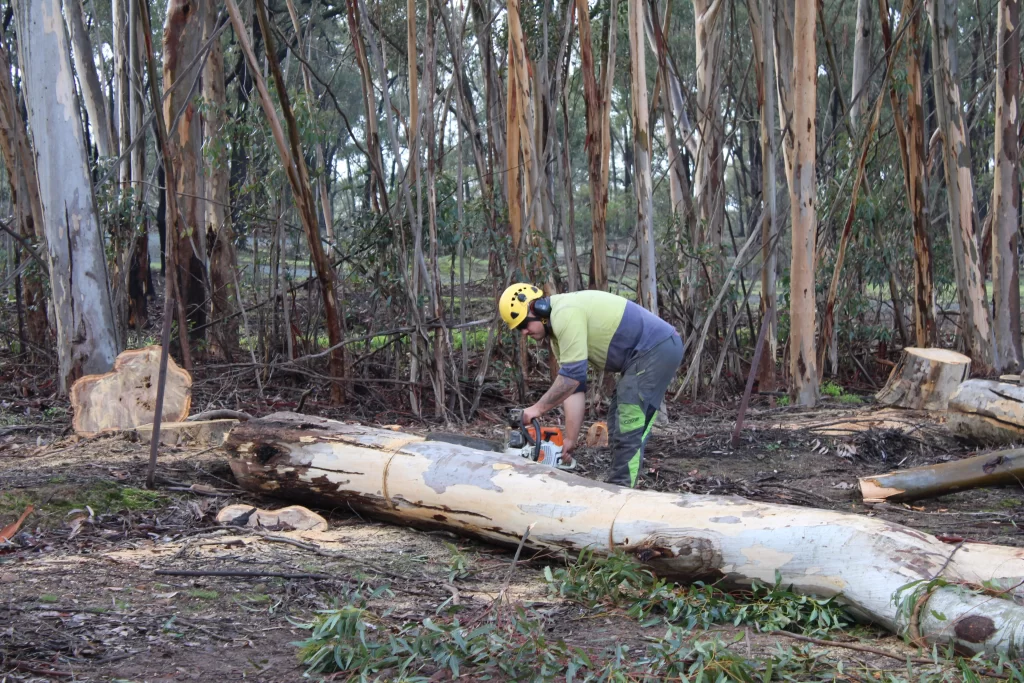
Arbor Dynamics highlights why deadwood removal is essential for public safety, reducing risks from falling branches, storms, fire, and powerlines.
Trees add value to any landscape, but without proper maintenance, they can pose serious risks, particularly from overlooked hazards like deadwood. Dead branches may seem harmless, yet without timely deadwood removal, they can become unstable and dangerous, especially in regions like North Central Victoria and Southern NSW, where weather conditions are unpredictable. Proactive tree care goes beyond appearance, playing a crucial role in protecting public safety and reducing preventable risks.
The Hidden Danger of Dead Branches
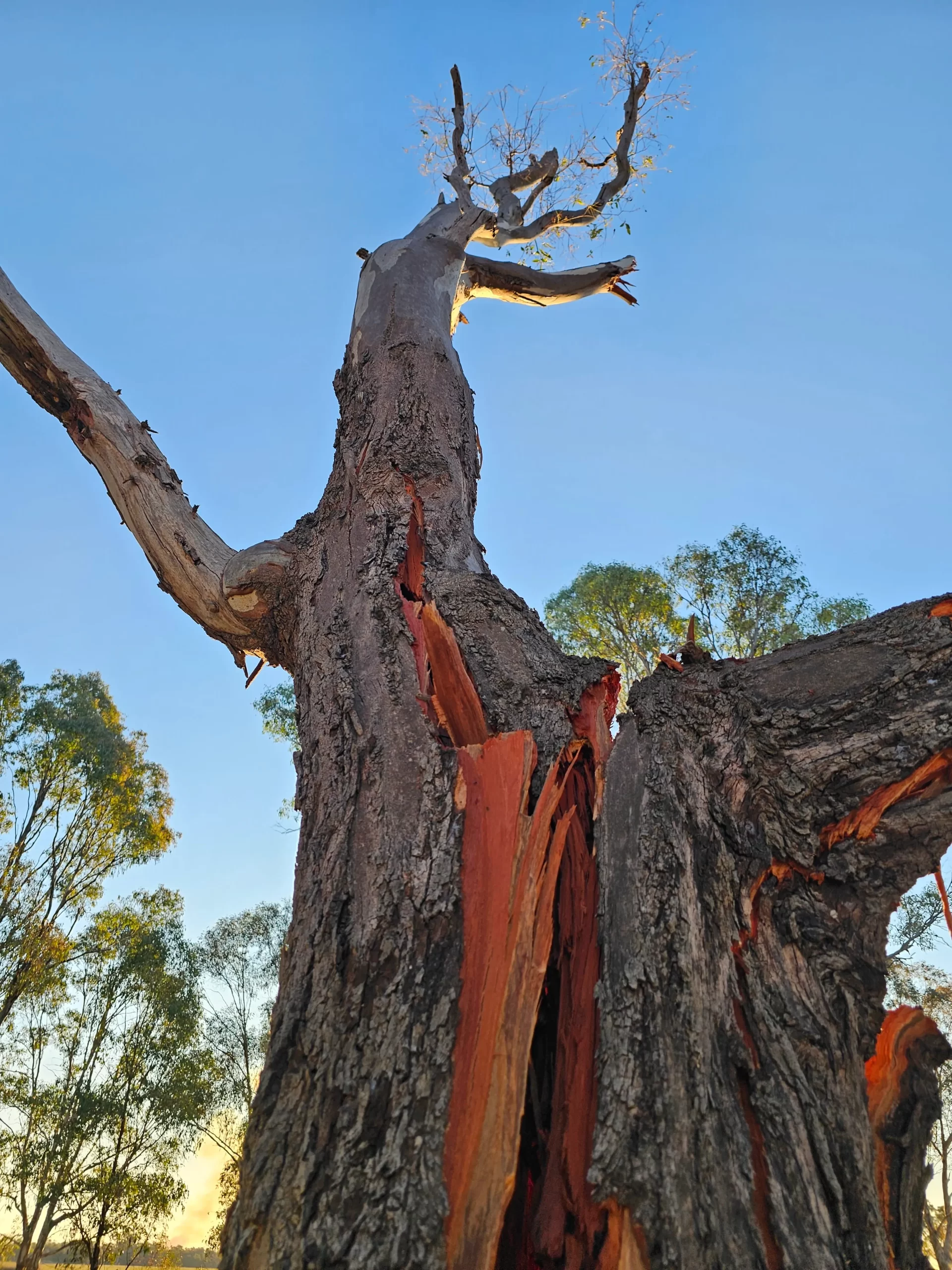
Dead branches are structurally weak and far more likely to fail than healthy limbs. As they decay, they become brittle and prone to breaking under their own weight or during windy conditions, lacking the flexibility needed to withstand movement.
This makes deadwood highly unpredictable and hazardous. Branches can fall without warning, posing risks to people, vehicles, and nearby structures, which is why regular inspection and timely removal are essential.
Managing Tree Risks in High-Traffic Environments
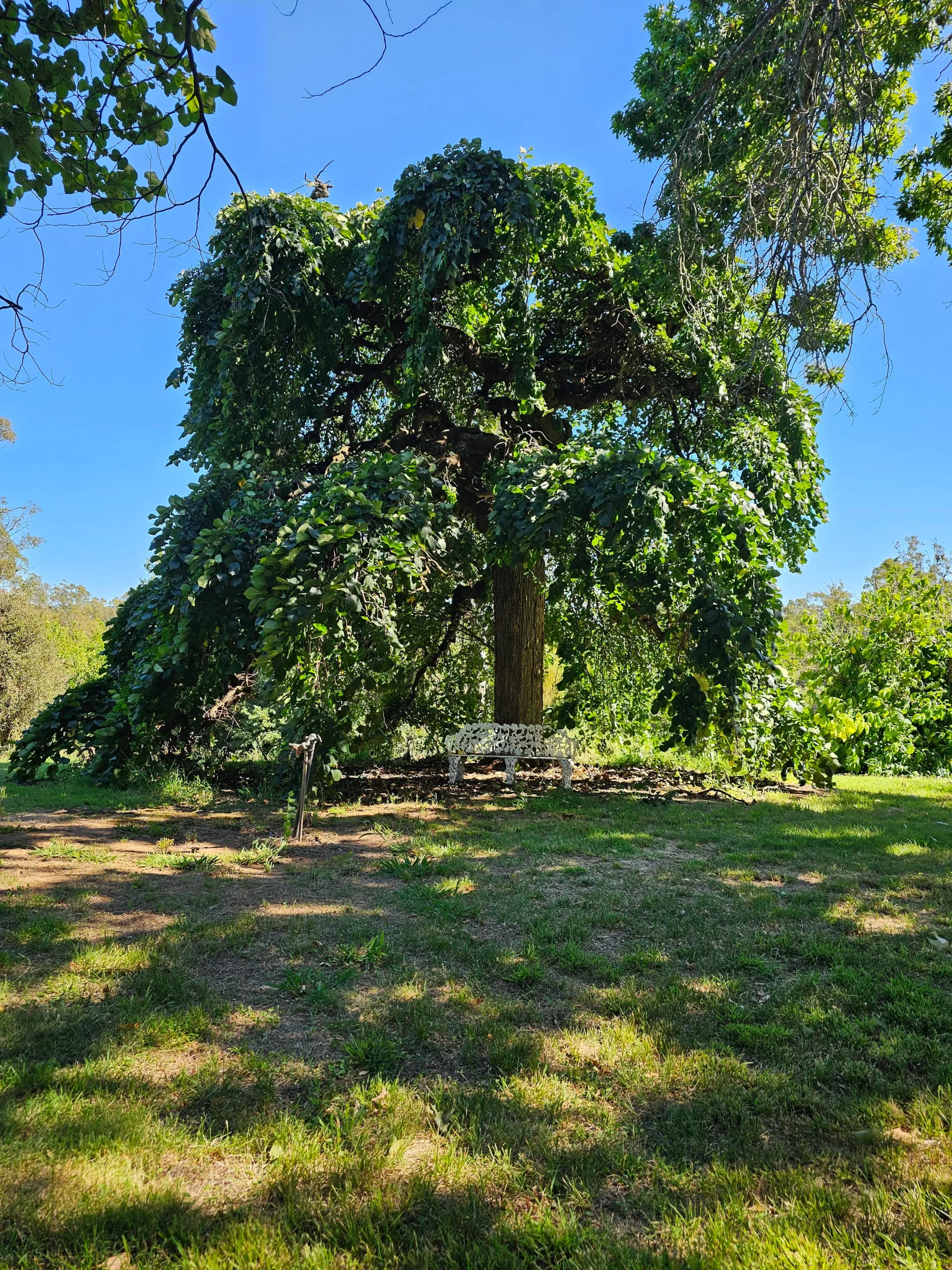
In high-traffic areas, the risks of deadwood are significantly increased due to greater exposure to people and property. Property owners and land managers across North Central Victoria and Southern NSW have a responsibility to manage these foreseeable hazards. Deadwood removal is essential for maintaining safety, reducing liability, and supporting responsible property management.
Areas that require particular attention include:
- Public parks, playgrounds, and recreational areas
- Residential driveways and footpaths
- Commercial properties and car parks
- School grounds and community spaces
Deadwood Removal and Its Role in Storm, Fire, and Powerline Safety
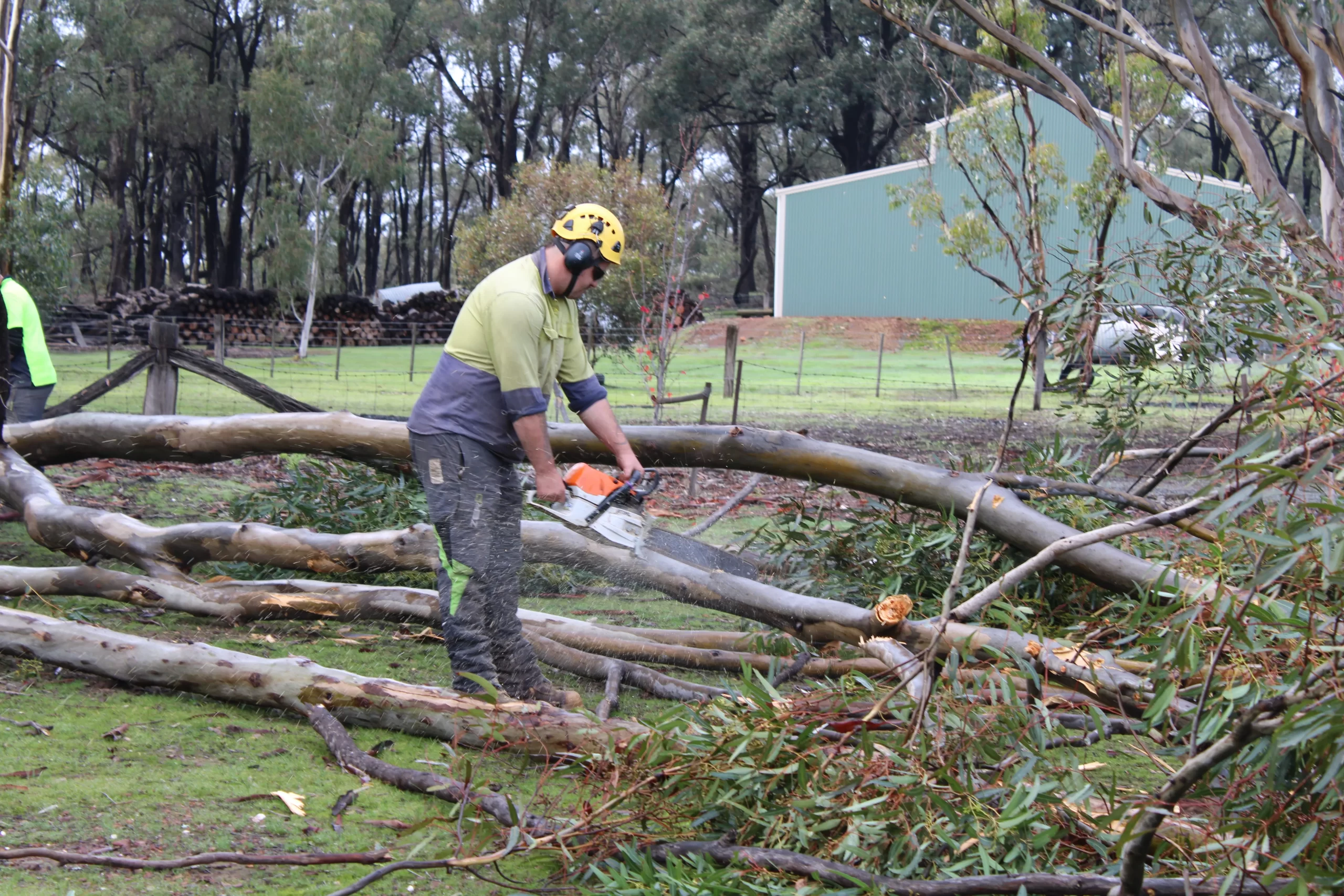
- Increased Risk After Storm Events – Storms across Victoria and New South Wales can weaken tree structures. Dead branches are more likely to fall during high winds or heavy rain. Early removal helps reduce the risk of damage and injury.
- Bushfire Risk Reduction – Deadwood increases fuel loads, especially in dry conditions. In bushfire-prone areas, unmanaged trees can heighten fire risk. Removing deadwood helps reduce combustible material and limit fire spread.
- Safety Around Powerlines – Trees near powerlines require careful management. Dead branches can fall onto electrical lines, causing outages, sparks, or fires. Professional maintenance helps keep trees safe and compliant in these areas.
The Benefits of Scheduled Tree Inspections and Maintenance
Effective tree care goes beyond a basic visual check and requires professional assessment. Qualified arborists can identify risks and carry out work safely in line with Australian Standards. Hiring experts ensures deadwood removal is done safely, reducing the risk of injury and property damage.
Regular maintenance ensures that potential issues are identified before they escalate. Key benefits include:
- Early detection of hazardous branches
- Safer pruning practices aligned with AS 4373
- Reduced long-term maintenance costs
- Improved tree health and structural integrity
Keep Your Property Safe with Arbor Dynamics
Maintaining safe and healthy trees is essential for protecting people, property, and infrastructure across residential, commercial, and public spaces. Prioritising deadwood removal is a practical way to reduce risk and prevent hazards before they escalate into serious issues. At Arbor Dynamics, we deliver expert tree care services across North Central Victoria and Southern NSW, offering reliable assessments and tailored professional solutions.
Contact us today to arrange an inspection and ensure your trees remain safe, compliant, and well-maintained.
Related Blog Articles:
Post-Storm Tree Inspection Services: Why Early Action Prevents Bigger Problems
Tree Risk Assessment: Why It’s Essential for Safety, Compliance, and Liability Reduction