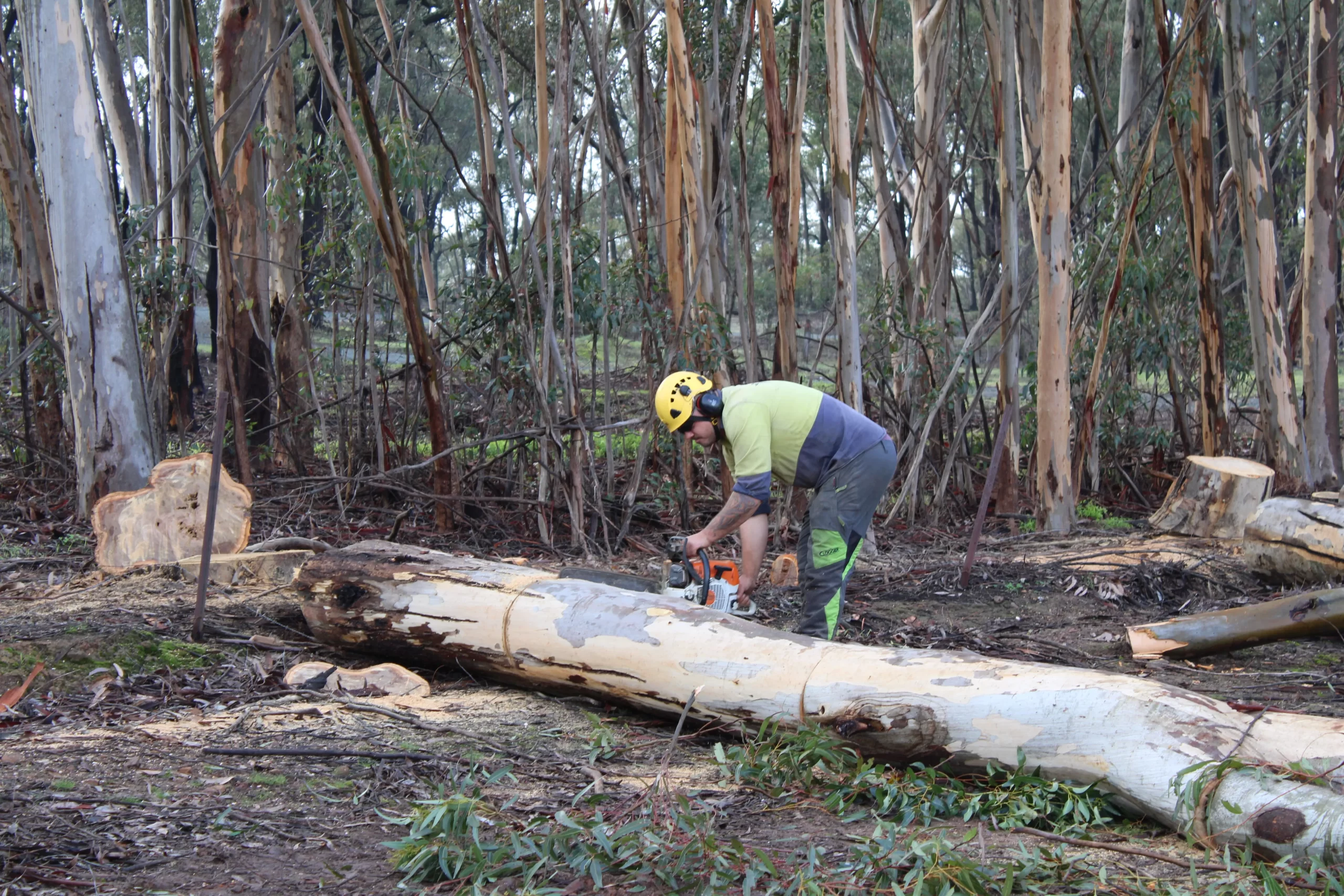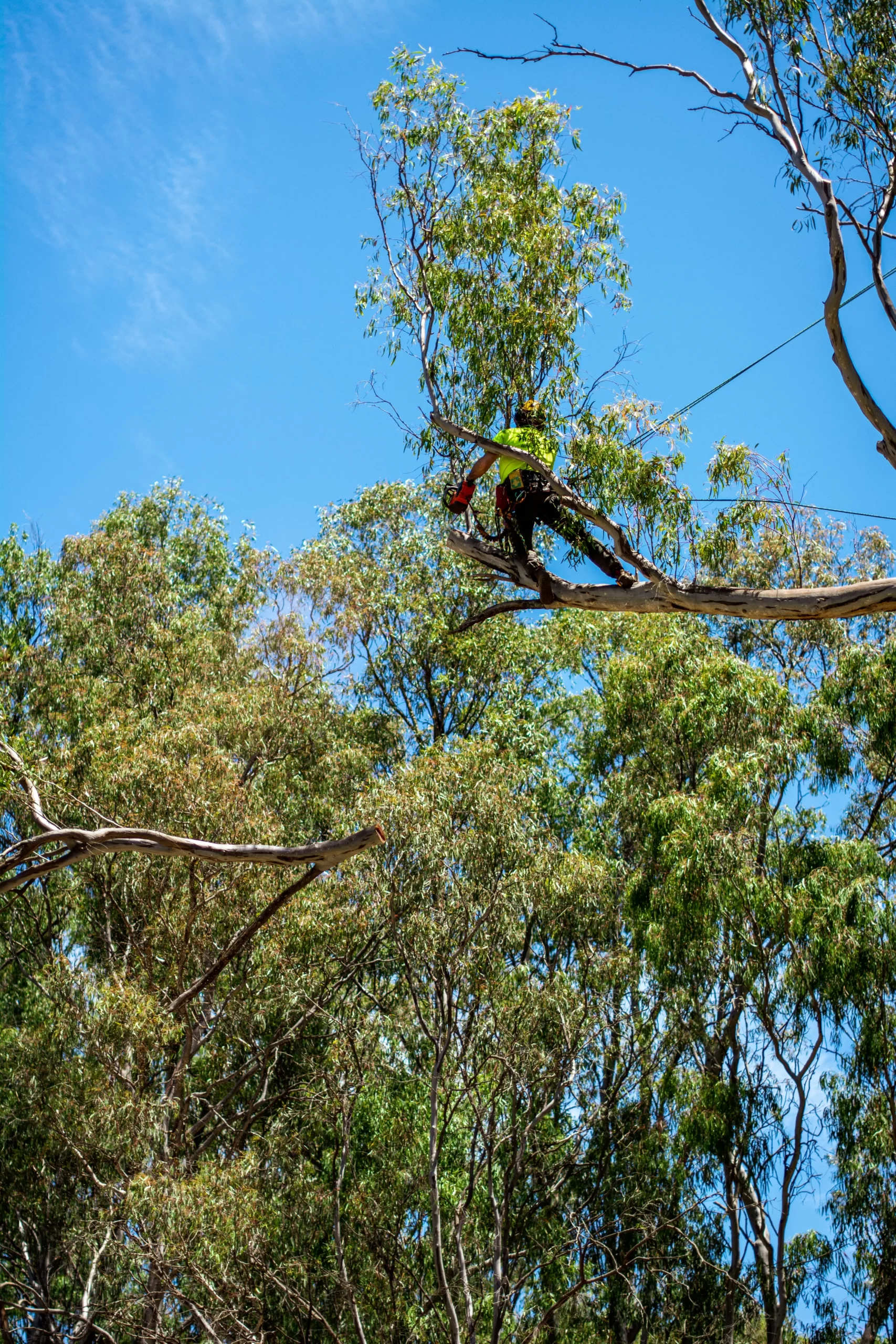
Arrange council tree hazard inspections across North Central Victoria and southern NSW for roads, parks and public asset planning.
Council tree hazard inspections assess trees in relation to their condition, surroundings and potential targets such as roads, paths, buildings or public-use areas. The result should support prioritised decisions—not promise that every failure can be predicted or prevented.
What Is a Council Tree Hazard Inspection?
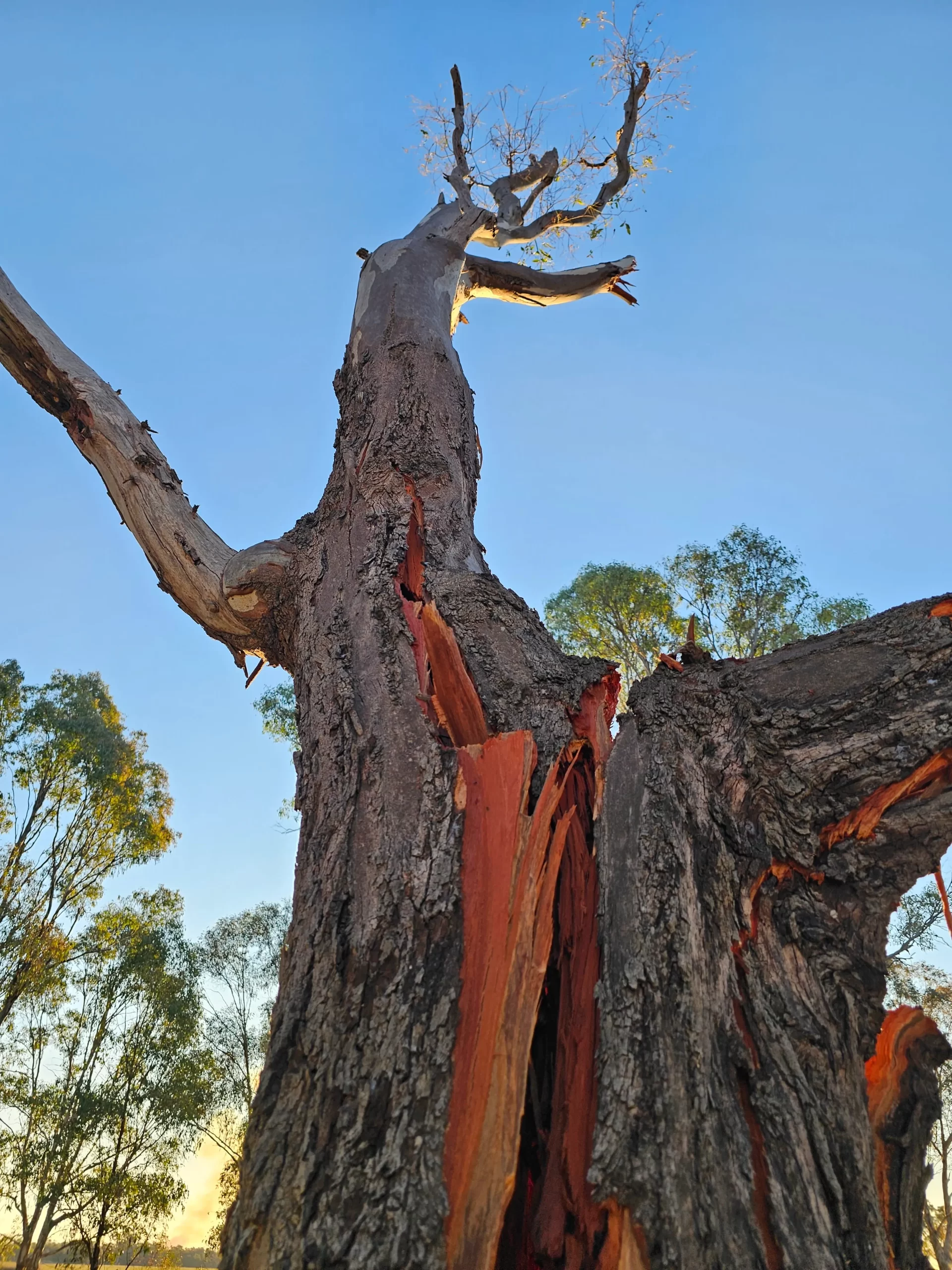
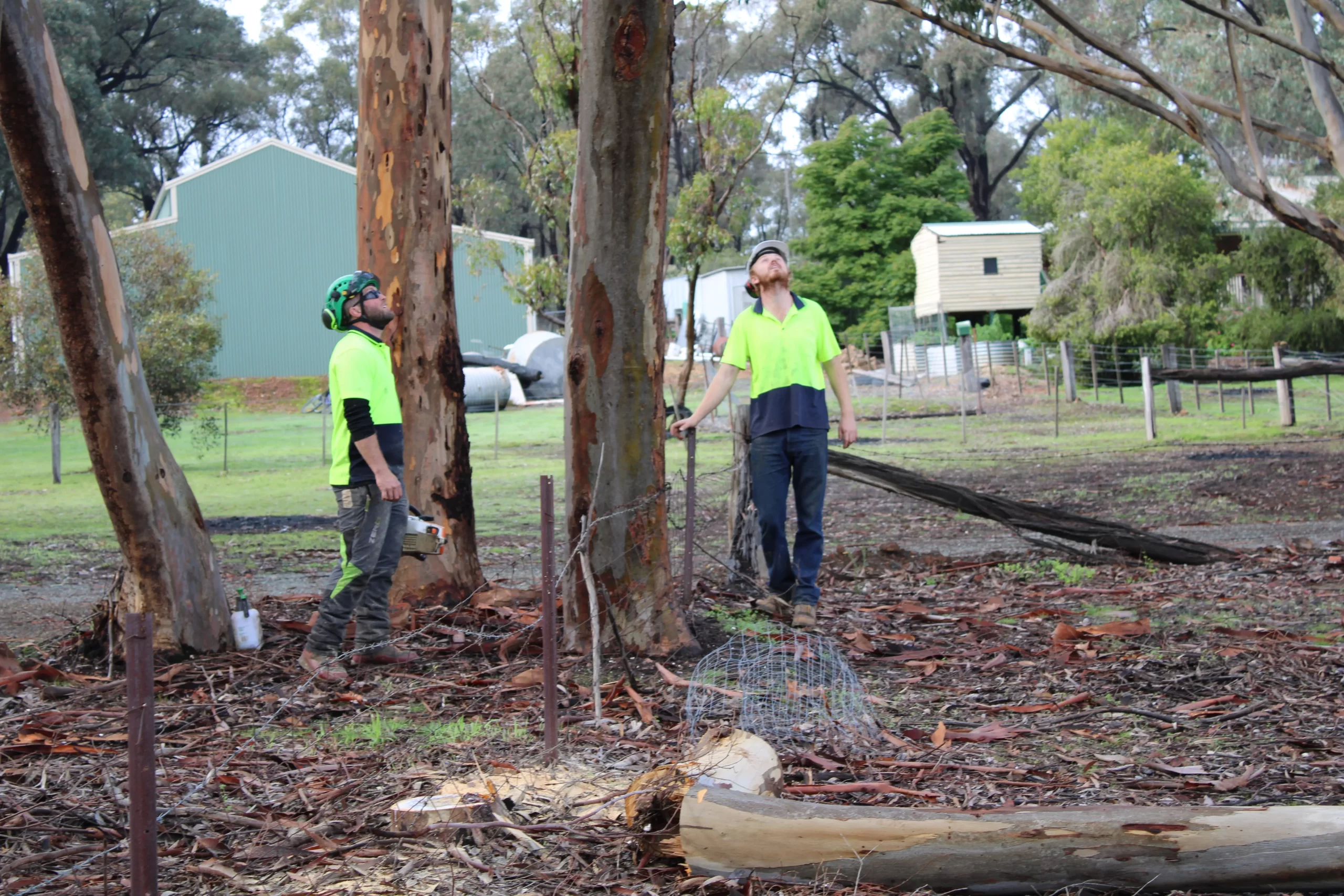
A qualified arborist examines relevant tree features and site conditions under an agreed scope. Depending on the project, the inspection may record defects, deadwood, canopy condition, clearance conflicts, previous failures and observable changes. Recommendations may include monitoring, pruning, further investigation or removal.
Arbor Dynamics provides tree assessments, consultancy and arborist reports across North Central Victoria and southern New South Wales. Its key customers include government, schools, commercial properties and major rural projects.
Which Public Assets May Require Assessment?
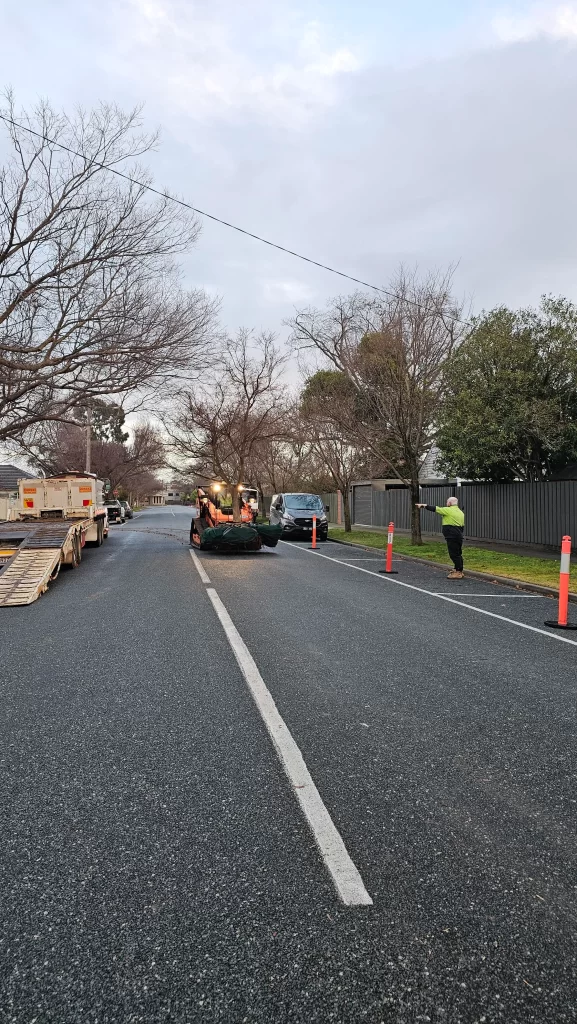
- roadside trees and vegetation near traffic corridors;
- parks, playgrounds and recreation reserves;
- school grounds and community facilities;
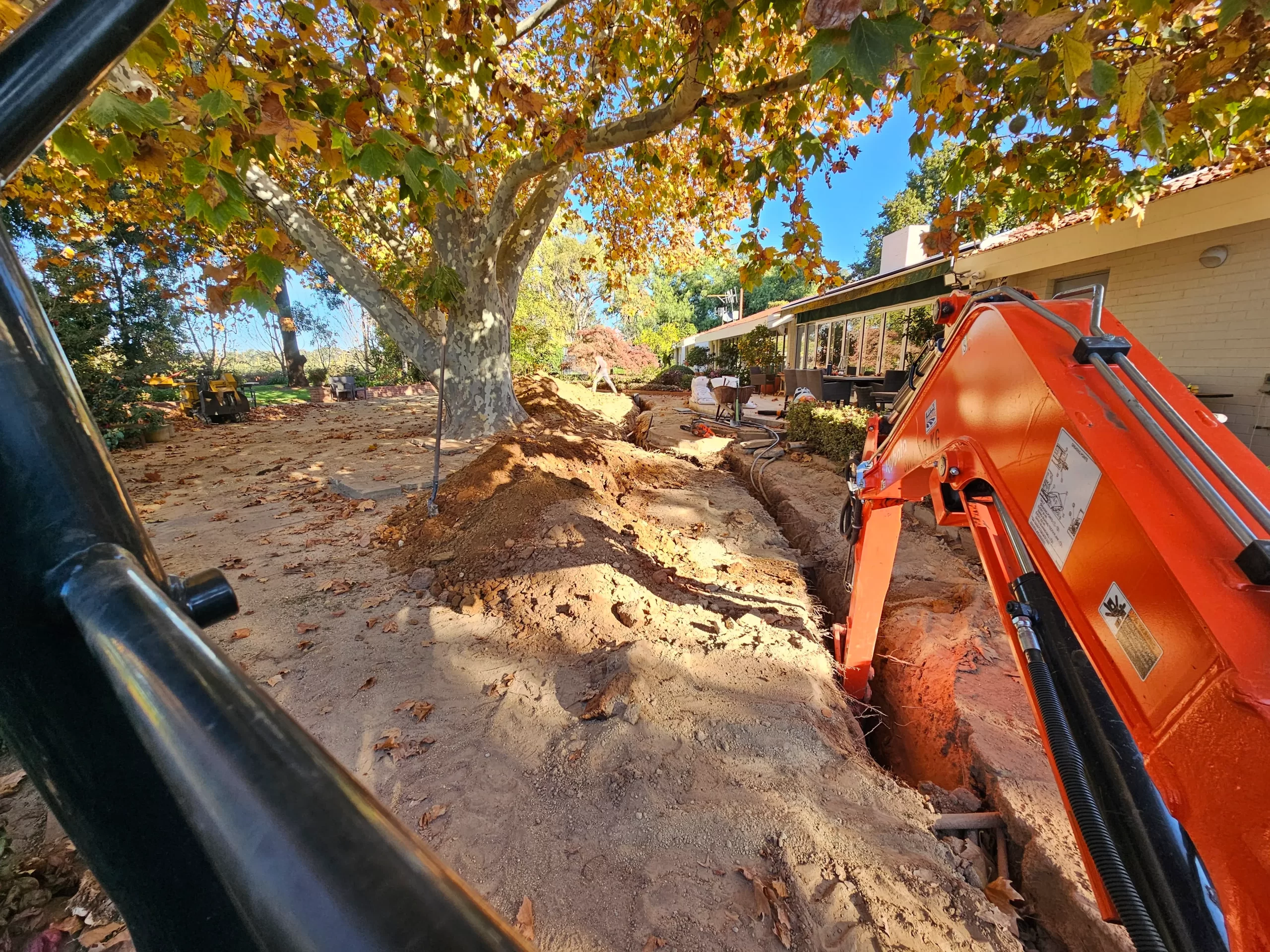
- trees near council buildings, car parks and pathways;
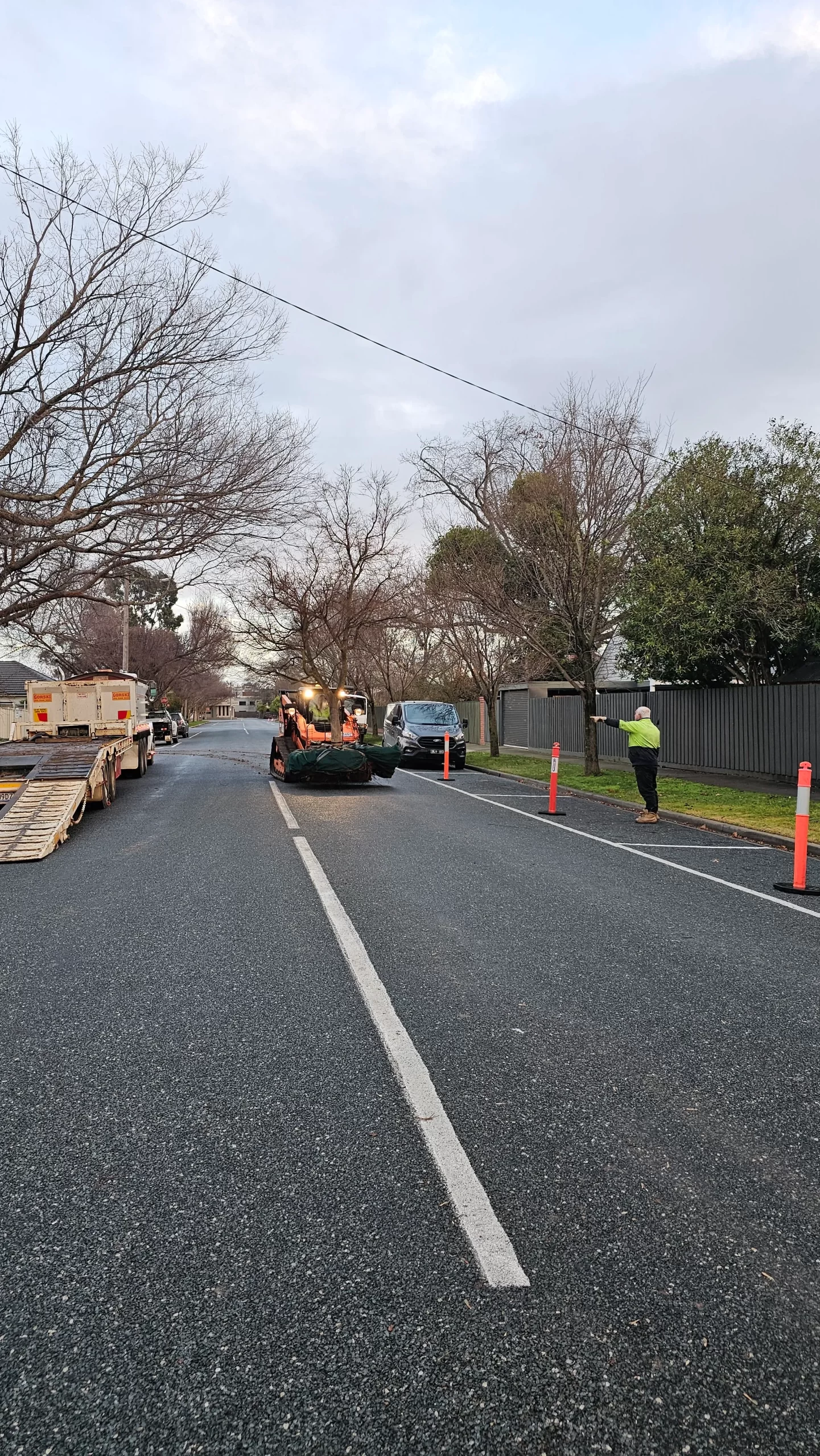
- storm-damaged trees affecting access or public areas; and
- established trees included in asset-management programmes.
The inspection scope should define the site boundaries, number or population of trees, reporting format and any access limitations. A broad request to “certify all trees as safe” is not a defensible brief because tree condition and environmental exposure can change.
Turn Findings Into Prioritised Work
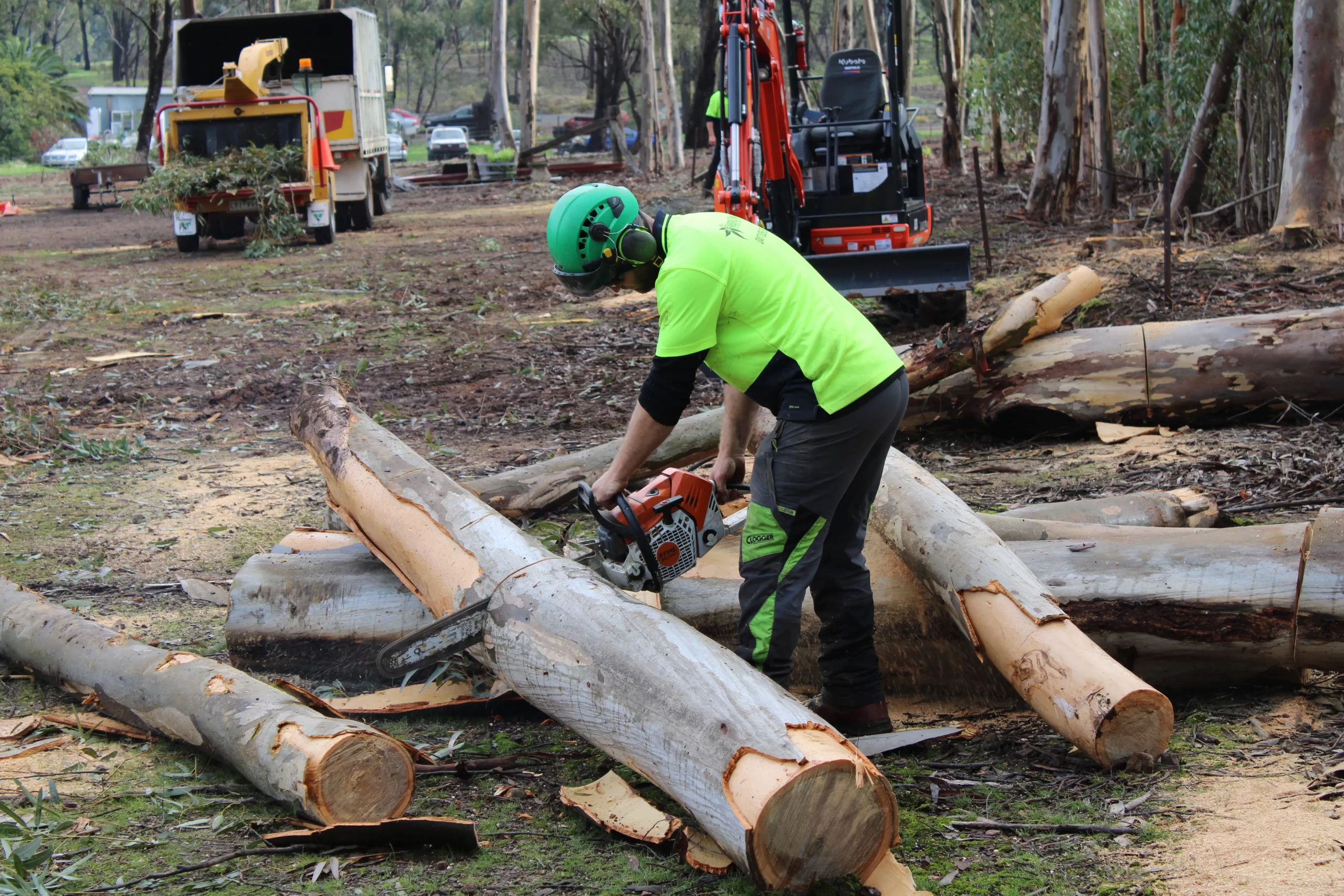
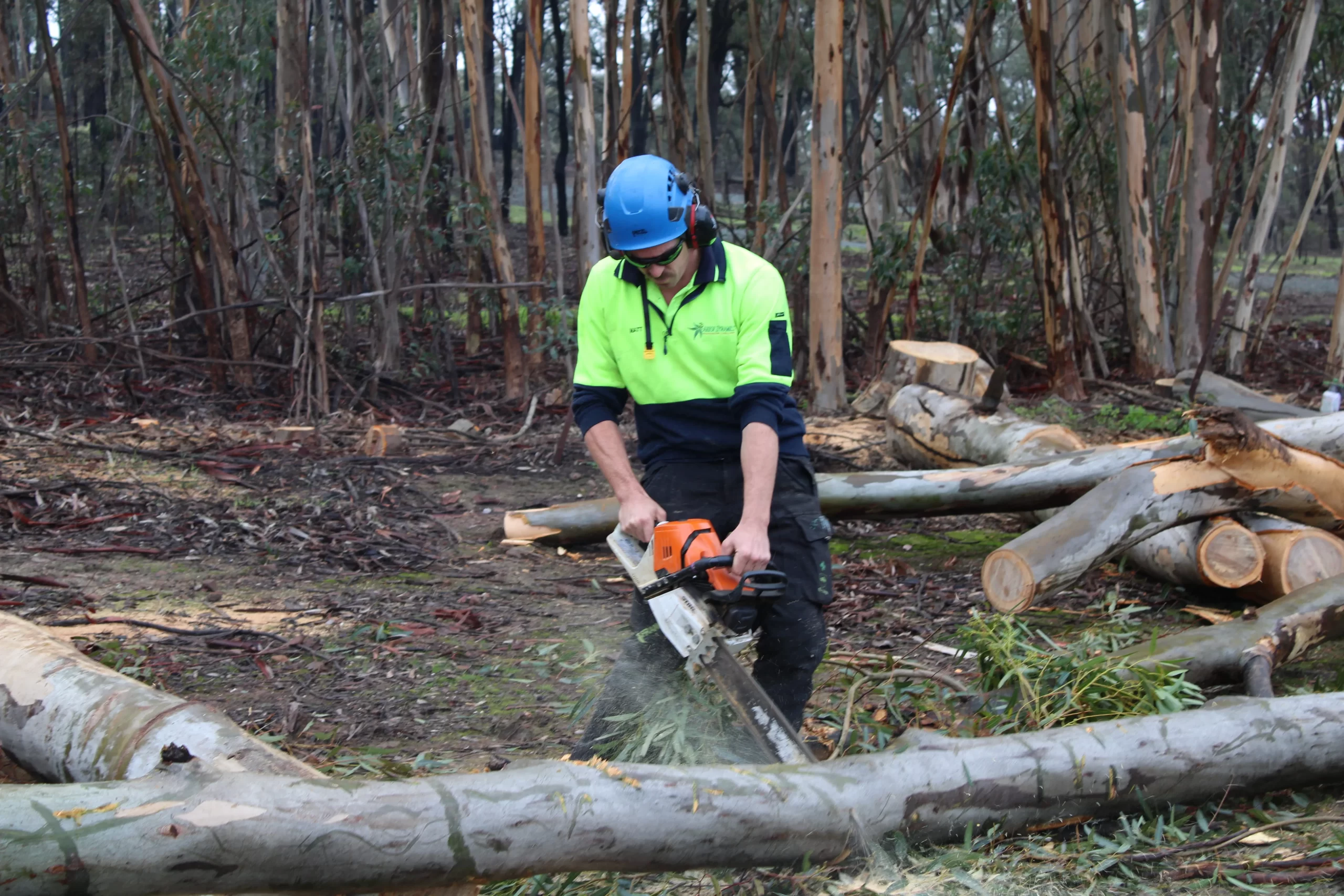
Reports are more useful when they connect observations to practical recommendations, timeframes and locations. Councils may need tree identifiers, maps, photographs and priority categories so work can be budgeted and assigned. Where pruning is recommended, Arbor Dynamics provides tree pruning for hazard mitigation and asset clearance, including deadwood removal, crown reduction and clearance around roads and infrastructure.
Removal should not be presented as the default response to every defect. The inspection should consider tree value, targets, site use and available management options within the arborist’s scope. Habitat requirements, permits and environmental obligations may also influence the response.
Avoid Blanket Seasonal Claims
Winter is not automatically the best pruning time for every Australian tree. Suitable timing depends on species, health, flowering, climate, pruning objective and site risk. Public hazards may require action regardless of season, while non-urgent work can be programmed from qualified advice.
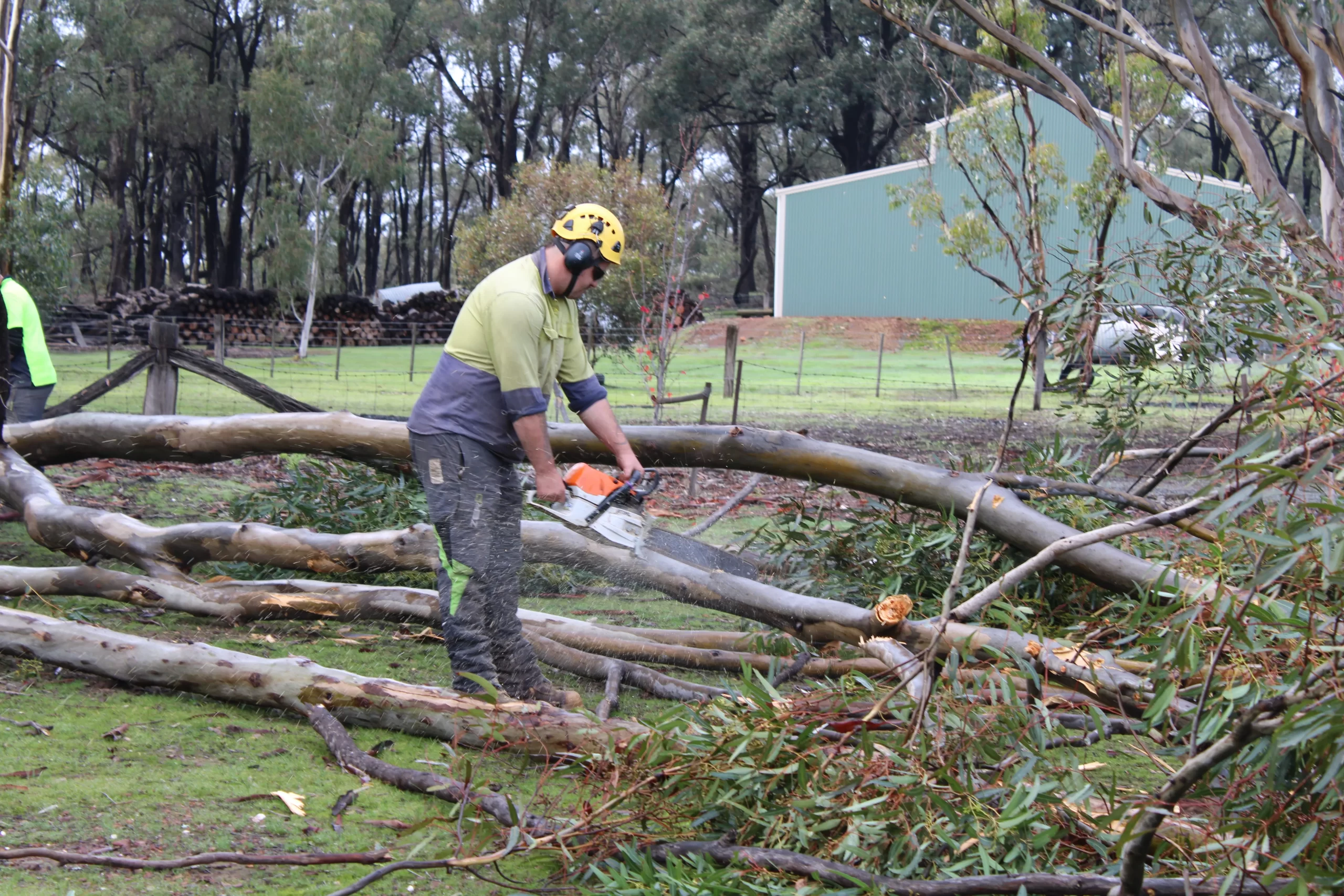
Arbor Dynamics also provides emergency storm-damage response where urgent tree failures or access hazards arise. Emergency attendance and routine inspection programmes should be scoped separately.
For recurring programmes, agree how completed work, new observations and follow-up dates will be recorded so the asset register remains useful between inspection cycles.
Request a Council or Asset Inspection Proposal
Send Arbor Dynamics the locations, approximate tree numbers, asset types, known incidents, required reporting format and procurement timeframe. A clear brief allows the team to propose an inspection and reporting approach suitable for the council, school or public asset portfolio—within its actual regional service area.