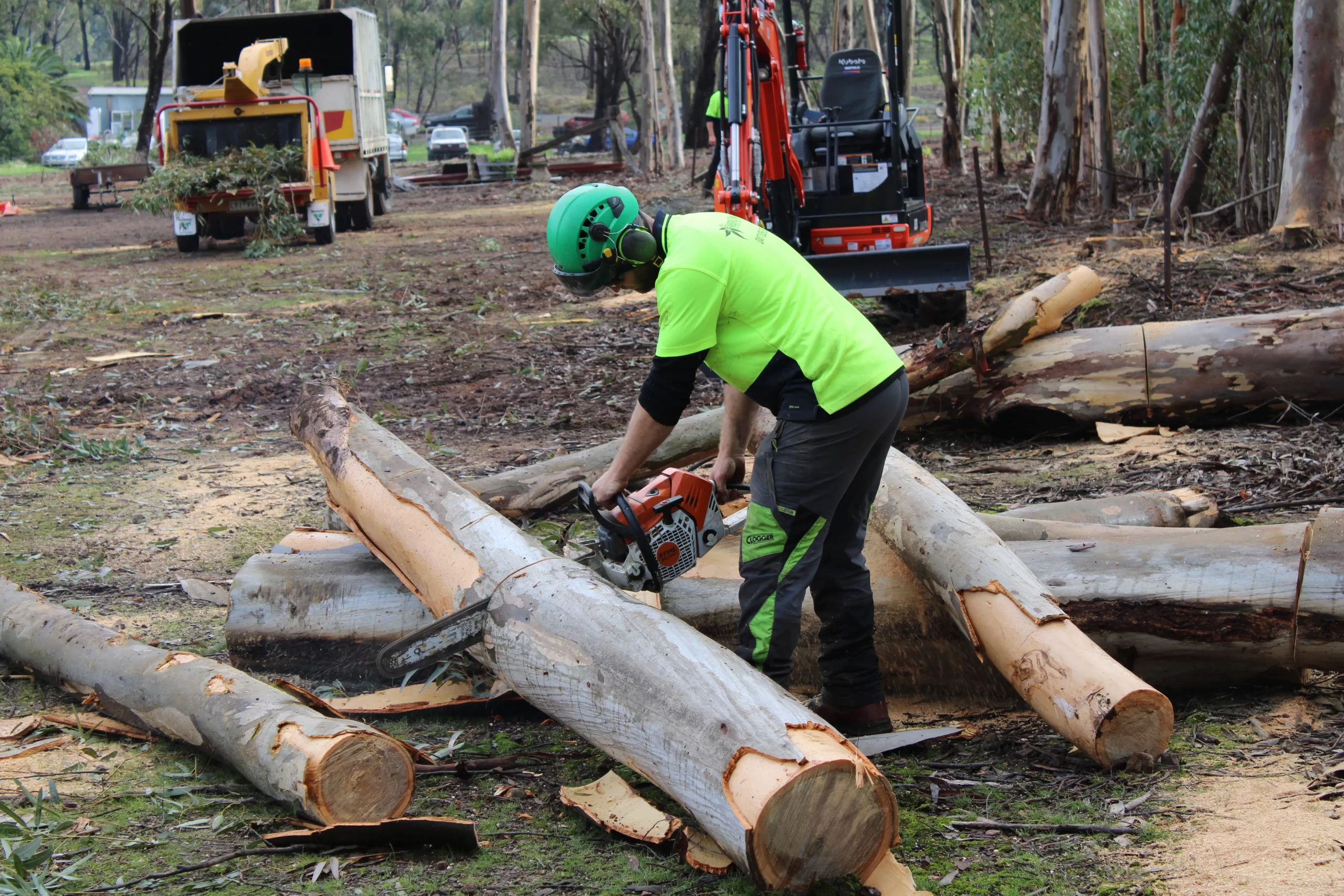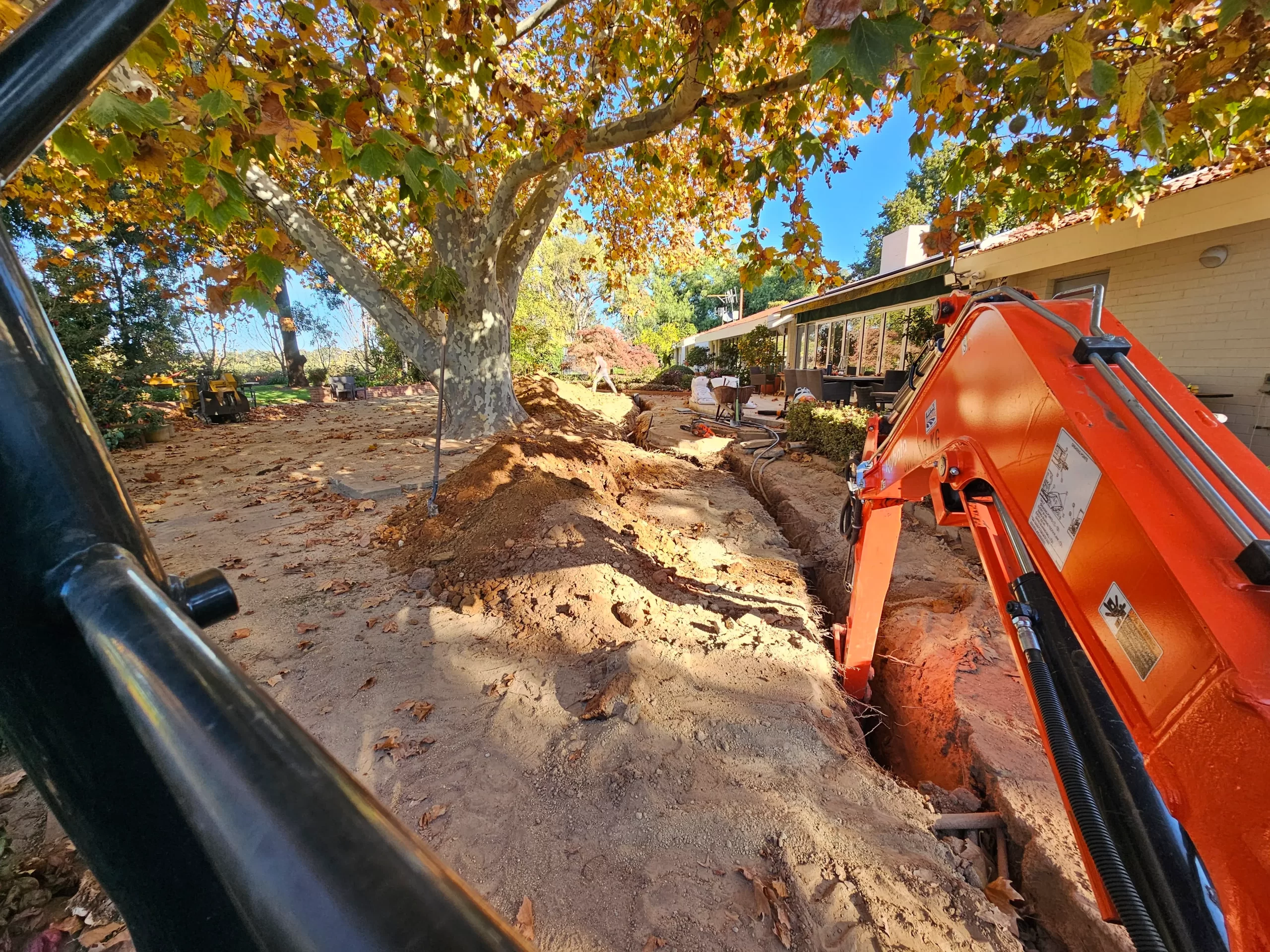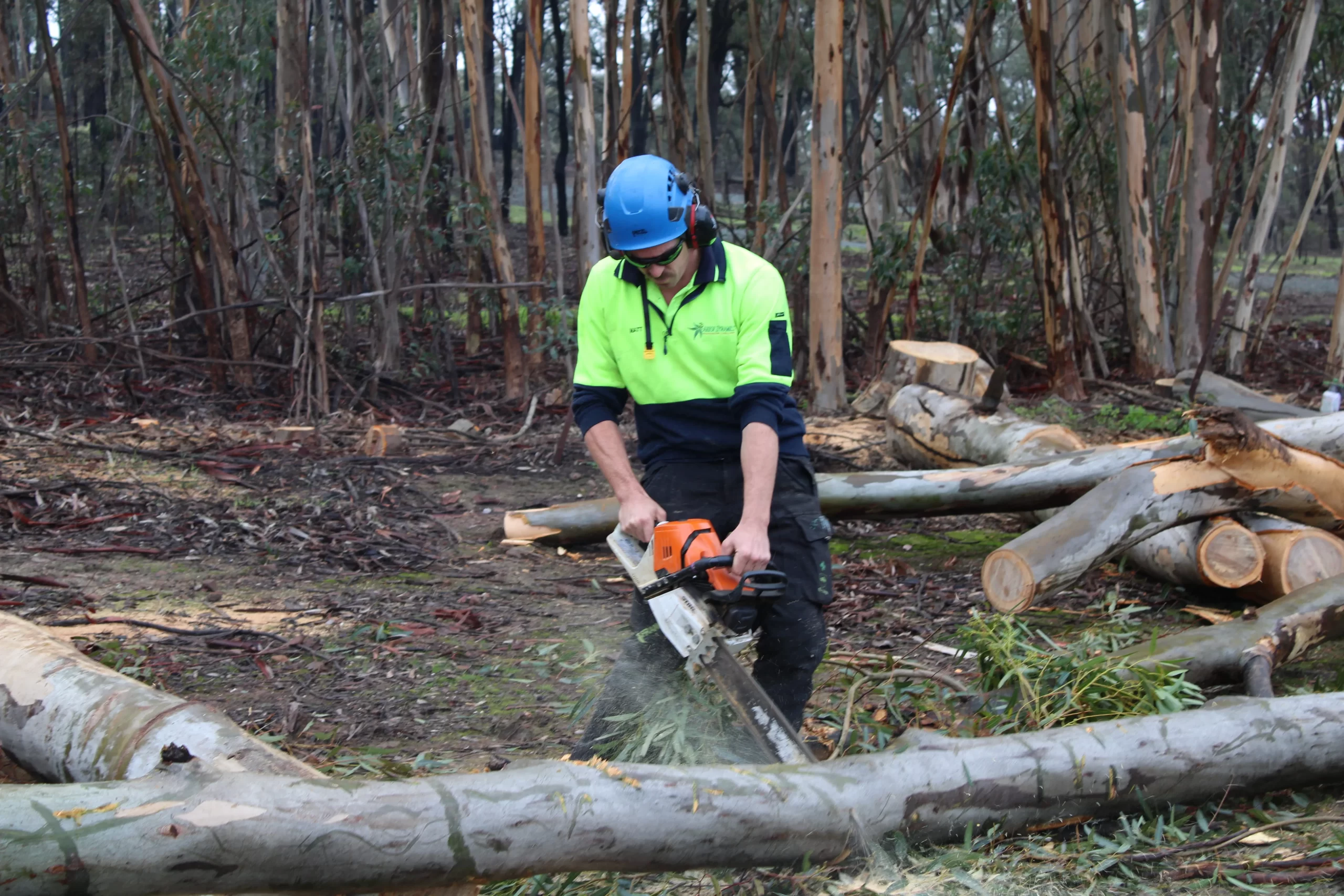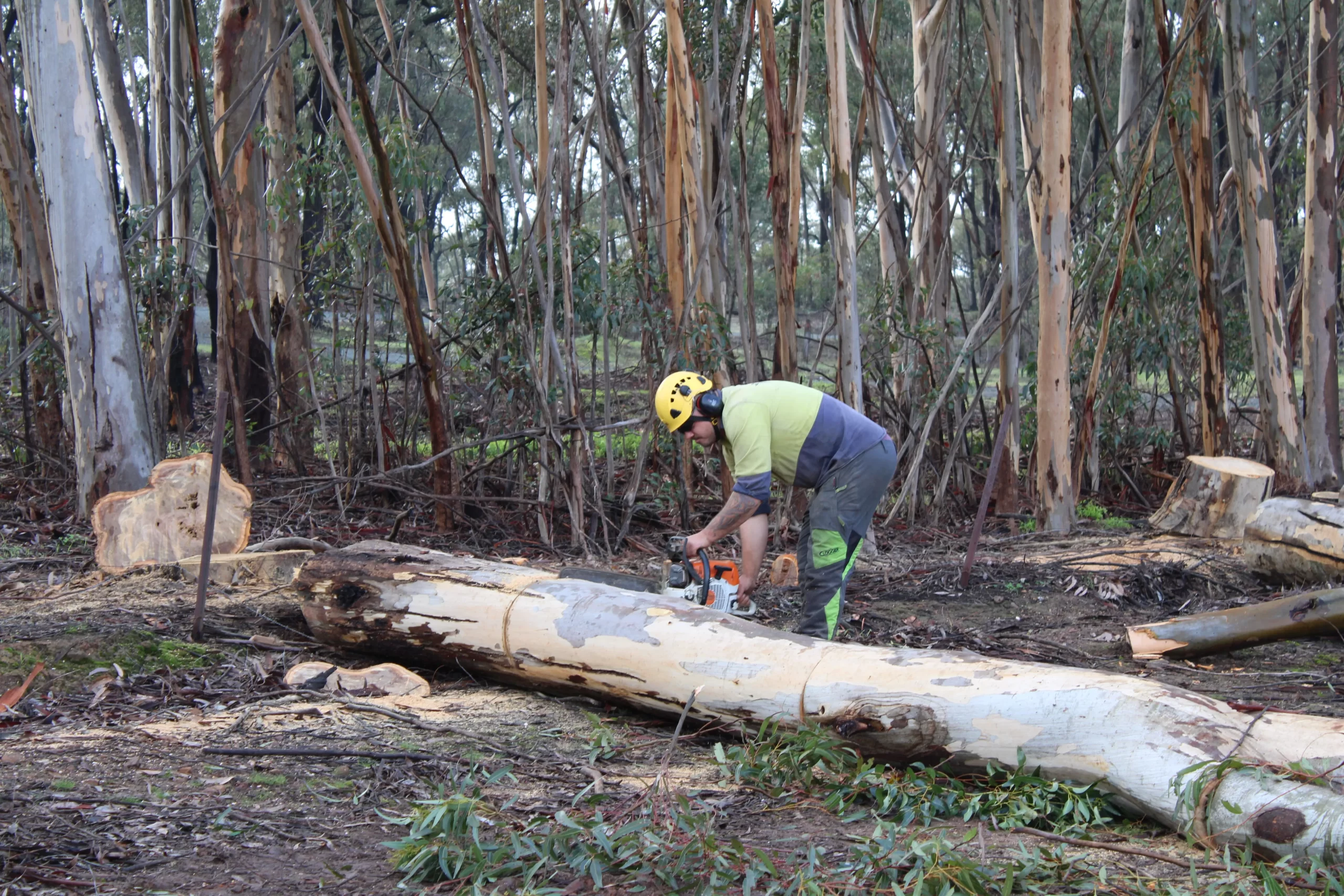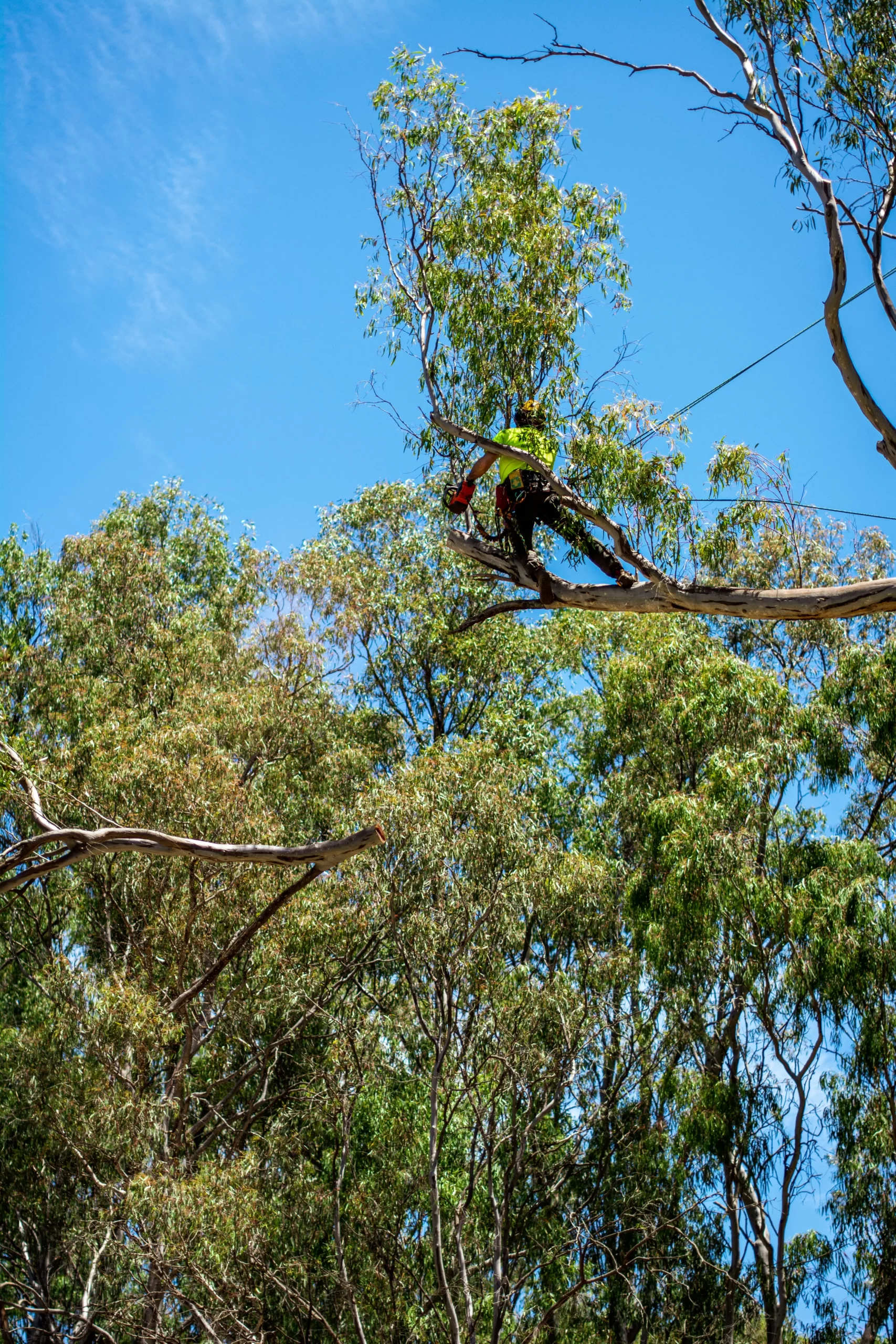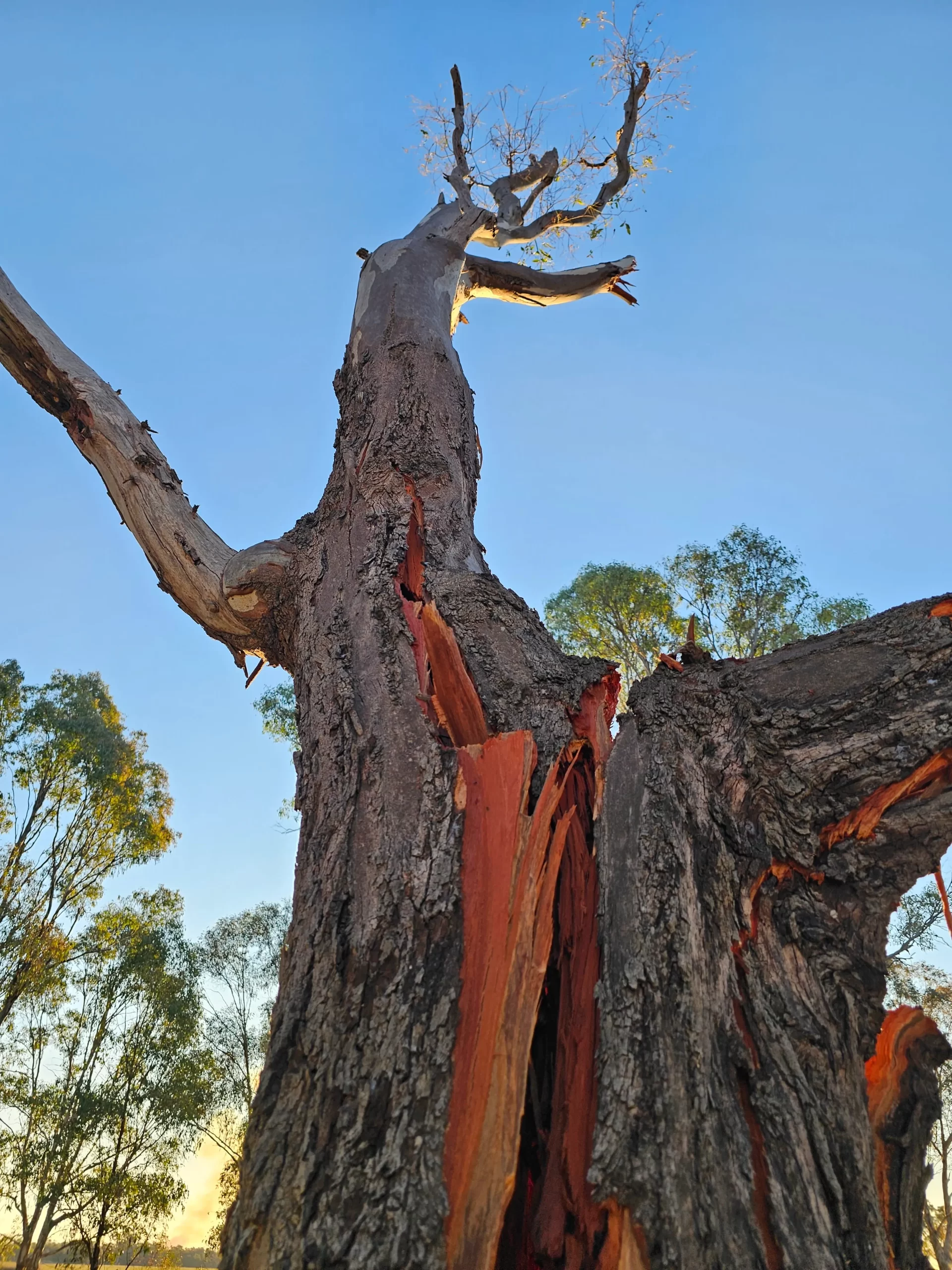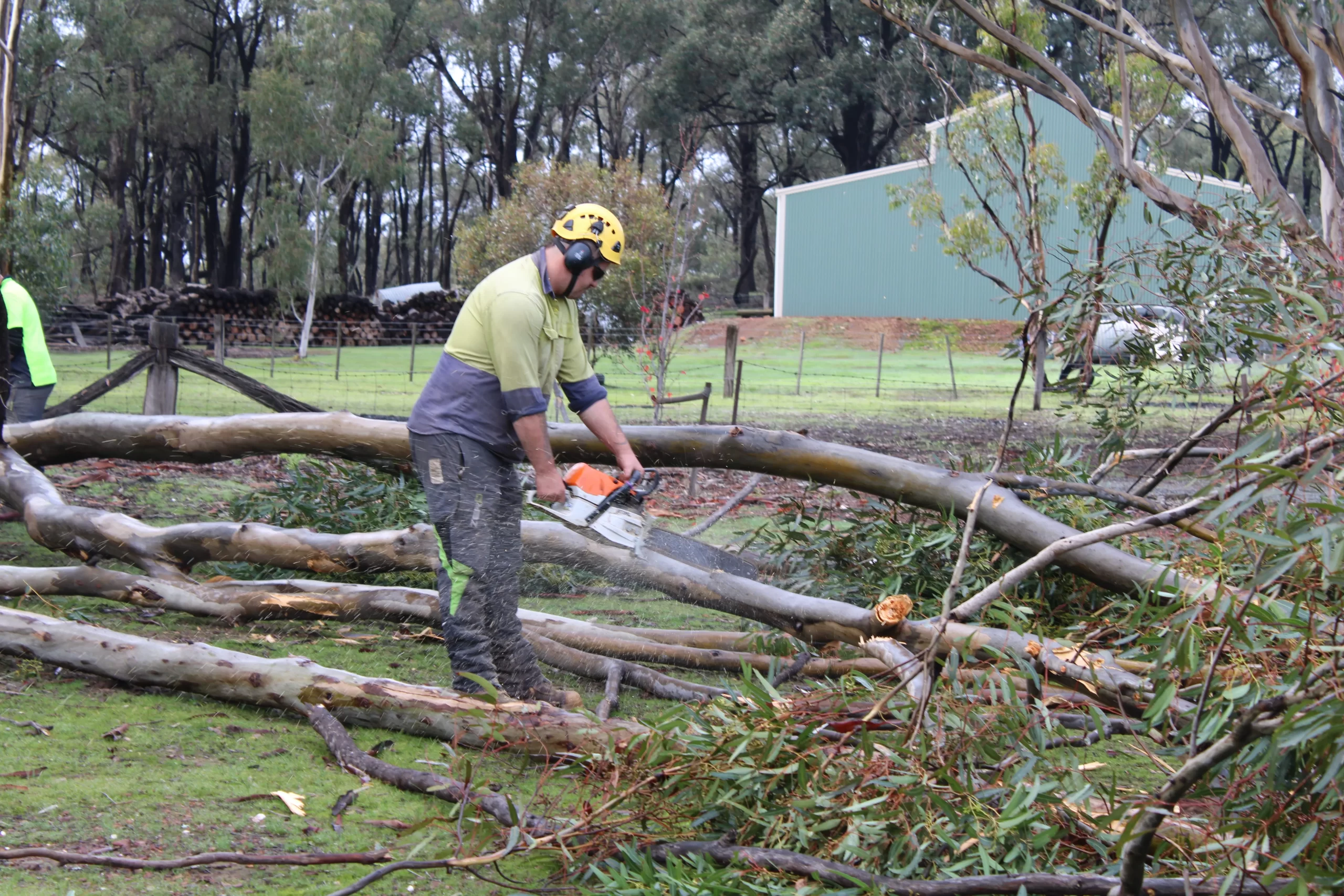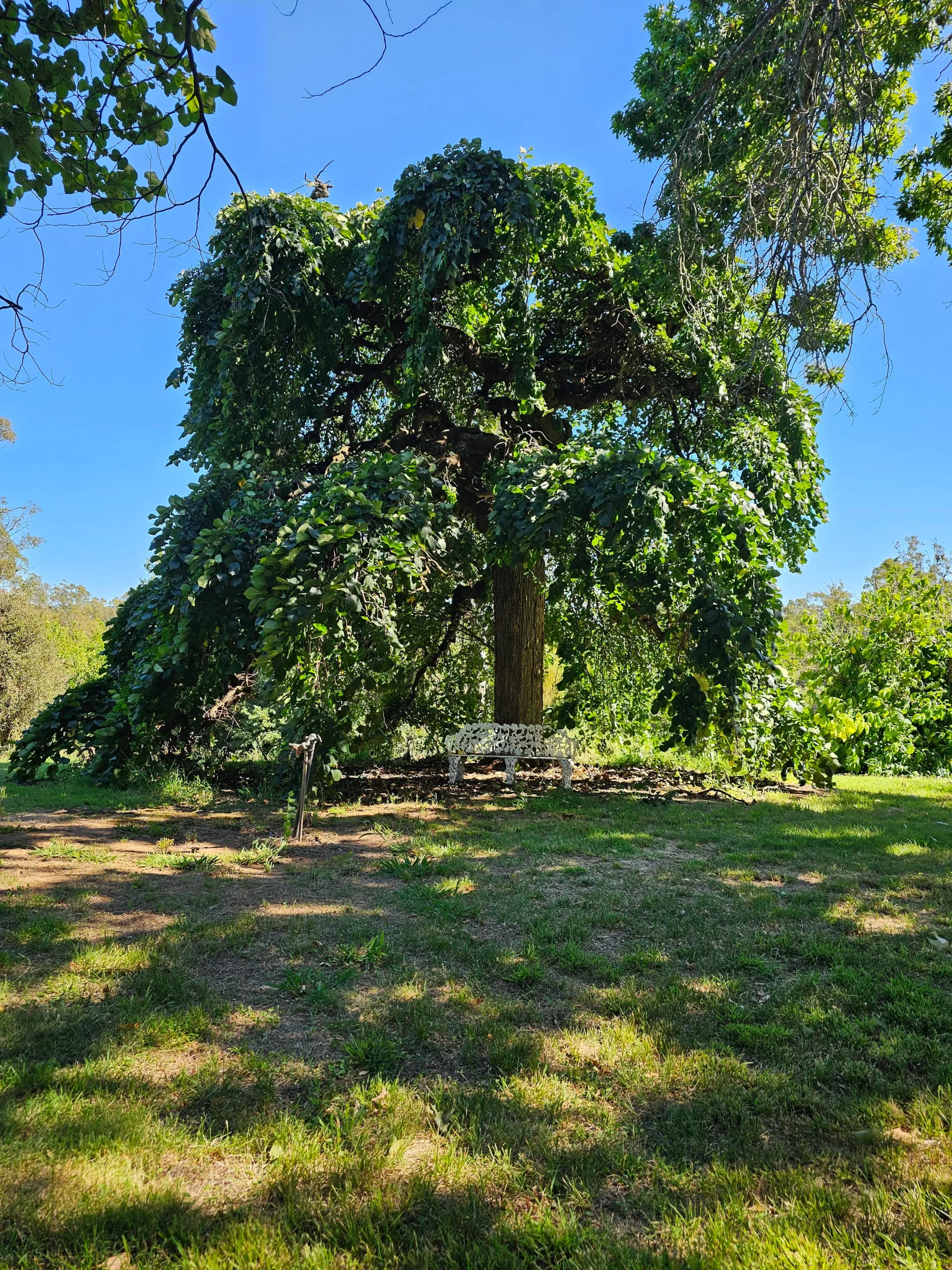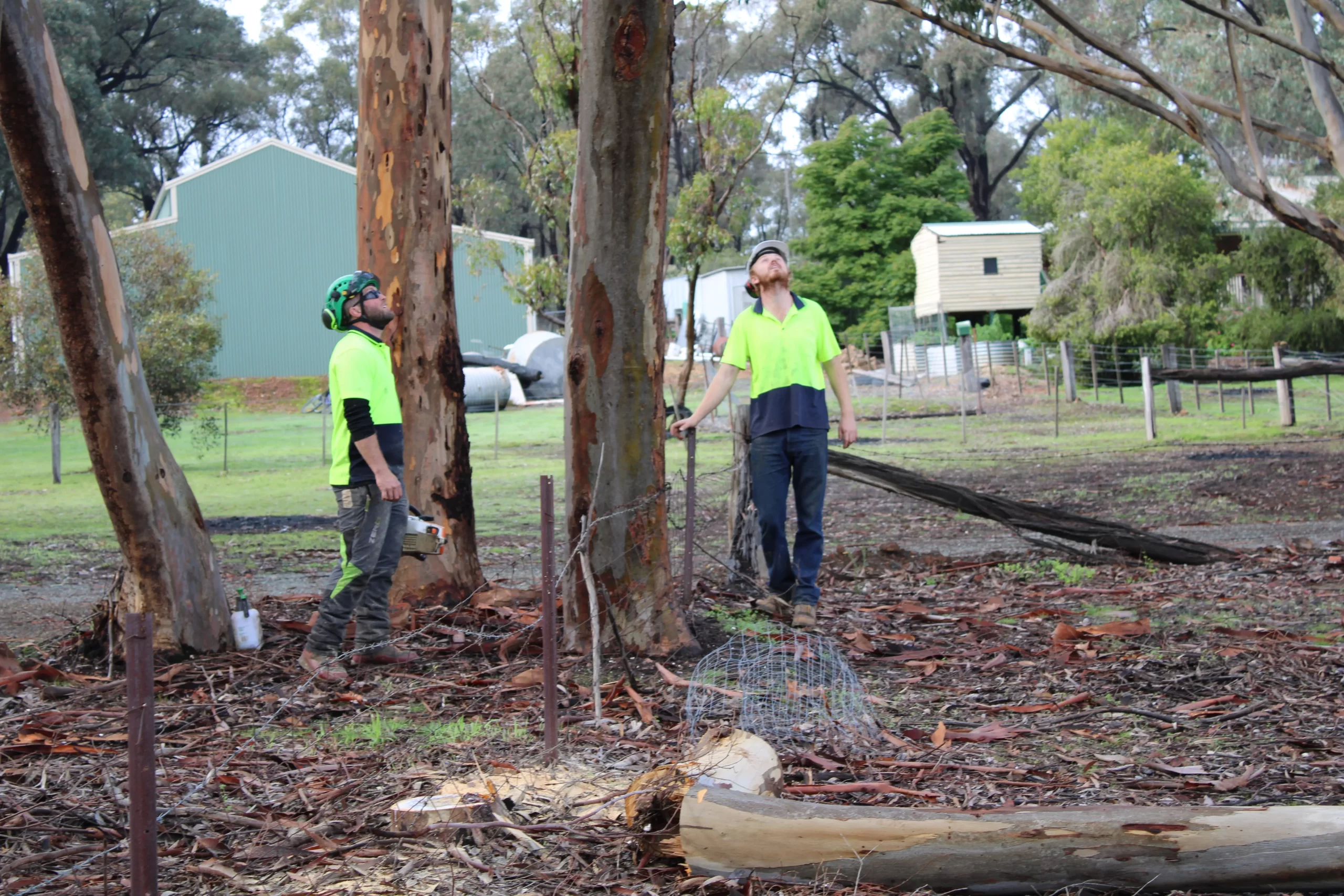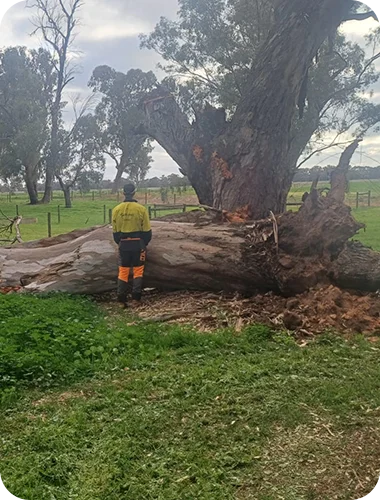
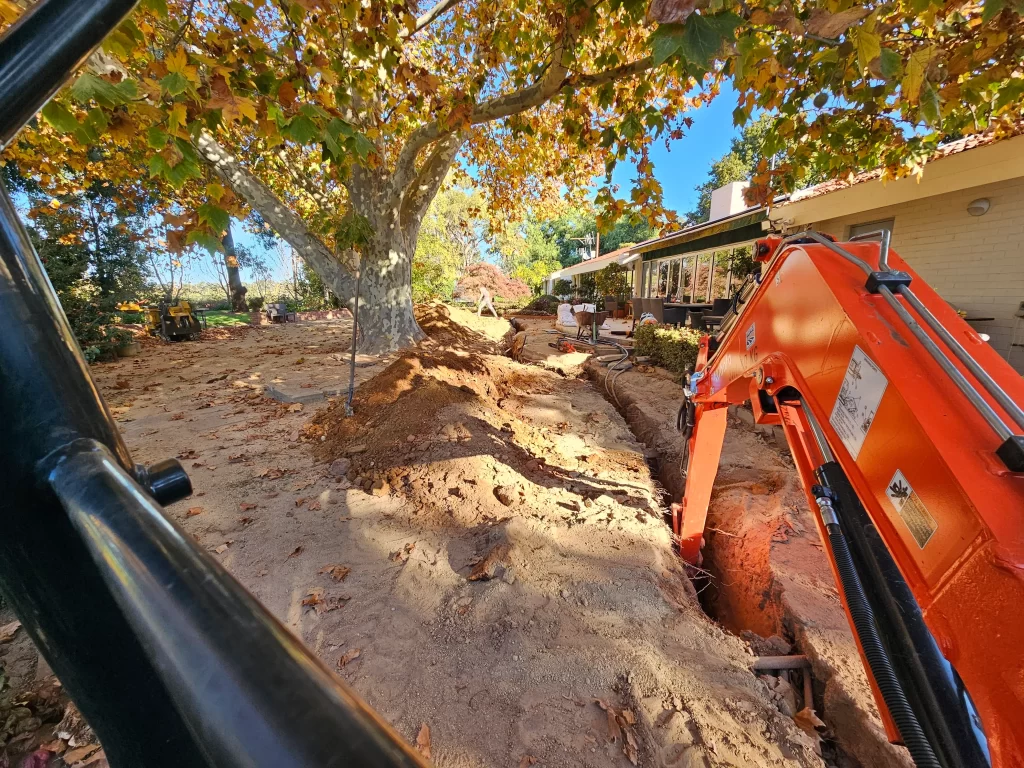
Arbor Dynamics ensures school tree safety with winter maintenance to prevent storm damage and branch breakage, protecting students and campus property.
As winter approaches across Australia, school groundskeepers often find themselves reacting to fallen limbs rather than preventing them. Prioritising school tree safety through proactive winter maintenance is the most effective way to protect students and infrastructure from unpredictable weather. By identifying structural weaknesses before the storm season peaks, schools can ensure a secure environment for the entire community.
How Does Winter Maintenance Improve School Tree Safety and Prevent Storm Damage?
Winter maintenance is essential for addressing structural integrity during the season when trees are most vulnerable to high winds and heavy rain. The absence of foliage on deciduous species common in Australian schools enables arborists to clearly identify structural defects that are otherwise hidden by summer leaves. Strategic pruning according to Australian Standard AS 4373-2007 reduces the sail effect, allowing wind to pass safely through the canopy and significantly lowering the risk of failure during severe weather.
The July Term Break: Why Timing is Critical for Compliance
The July term break provides the ideal window for heavy maintenance, allowing arborists to use specialised equipment safely without any risk to students or staff. This strategic timing enables school principals to meet their non-delegable duty of care by resolving foreseeable hazards before they turn into costly emergencies. Utilising this quiet period ensures that school tree safety remains a priority and complies with state-based requirements, like the VSBA Safe Tree Program, without disrupting daily learning.
- Zero student presence allows for a faster and more thorough work site.
- Clear visibility of tree structures helps in identifying widow-makers or hanging branches.
- Scheduling during the break prevents noise disruptions to classrooms and assemblies.
- Documented winter audits satisfy Work Health and Safety (WHS) requirements for the upcoming year.
Managing Saturated Soils and Root Plate Stability
While branch maintenance is common, the most significant winter risks often occur beneath the surface where intense rainfall saturates the ground. This softening of the soil reduces the friction holding a tree’s root plate in place, significantly increasing the risk of uprooting during high winds. Waterlogged conditions increase the risk of a complete blowout, making subterranean stability a top priority for campus safety.
Professional arborists identify subtle signs of instability, such as soil heaving or new cracks at the base of the trunk. Managing these underground concerns through improved drainage or weight-reduction pruning is vital for keeping large eucalypts and pines upright. These preventative actions effectively protect campus grounds throughout the height of the Australian storm season.
Partner with Arbor Dynamics for Expert School Tree Safety
Proactive winter maintenance protects landscape longevity and helps schools avoid the significant costs and dangers associated with emergency storm responses. By ensuring play areas and walkways remain secure, consistent school tree safety management provides essential peace of mind for the entire community. Arbor Dynamics specialises in tailored risk assessments for Australian schools, offering the expert oversight needed to mitigate hazards before the next major weather event occurs.
To ensure your grounds are compliant and storm-ready, contact us today to schedule your winter tree audit.
Related Blog Articles:
Post-Storm Tree Inspection Services: Why Early Action Prevents Bigger Problems
Why Emergency Tree Services Are Critical for Commercial Properties