 Autumn tree hazards pose risks to councils each season. Arbor Dynamics provides proactive arborist services to improve safety, drainage, and visibility.
As the intensity of the Australian summer eases, local councils enter a critical phase of urban tree management. Cooler conditions provide an ideal opportunity for arborists to identify and manage Autumn tree hazards before winter storms arrive. From an asset management perspective, this period is a strategic window for protecting public safety, infrastructure, and the long-term health of the urban canopy.
Managing Common Autumn Tree Hazards
One of the most immediate challenges councils face in autumn is the accumulation of organic debris. Deciduous trees commonly found in Australian streetscapes, such as London Plane trees and Elms, shed large volumes of leaves during this period. When combined with seasonal rainfall, this leaf litter creates a range of safety and infrastructure risks.
Key autumn debris-related issues include:
- Slippery footpaths and shared pathways increase the risk of slips, trips, and falls for pedestrians and cyclists
- Leaf litter entering stormwater drains, leading to blockages and localised flooding
- Increased demand for reactive maintenance and clean-up crews following rain events
Proactive debris management in autumn reduces public safety risks and minimises costly reactive maintenance. As daylight hours shorten, overgrown or low-hanging branches can obstruct signage, signals, and street lighting, increasing risks across road and transport corridors.
Common visibility impacts include:
- Obstructed traffic signals and regulatory signage
- Reduced the effectiveness of street lighting
- Compromised sightlines for motorists, cyclists, and pedestrians during peak commute periods
Targeted clearance pruning during autumn ensures visibility remains high and supports safer movement throughout the transport network.
Identifying Decay and Structural Weakness
Increased soil moisture during autumn creates favourable conditions for fungal fruiting bodies, including brackets and mushrooms on trunks or at the base of trees. While not conclusive on their own, these growths often indicate internal decay, such as heart rot or root deterioration. Softer ground conditions also make it easier for arborists to identify early signs of root plate movement or instability before more serious failure occurs.
Managing Post-Summer Tree Stress
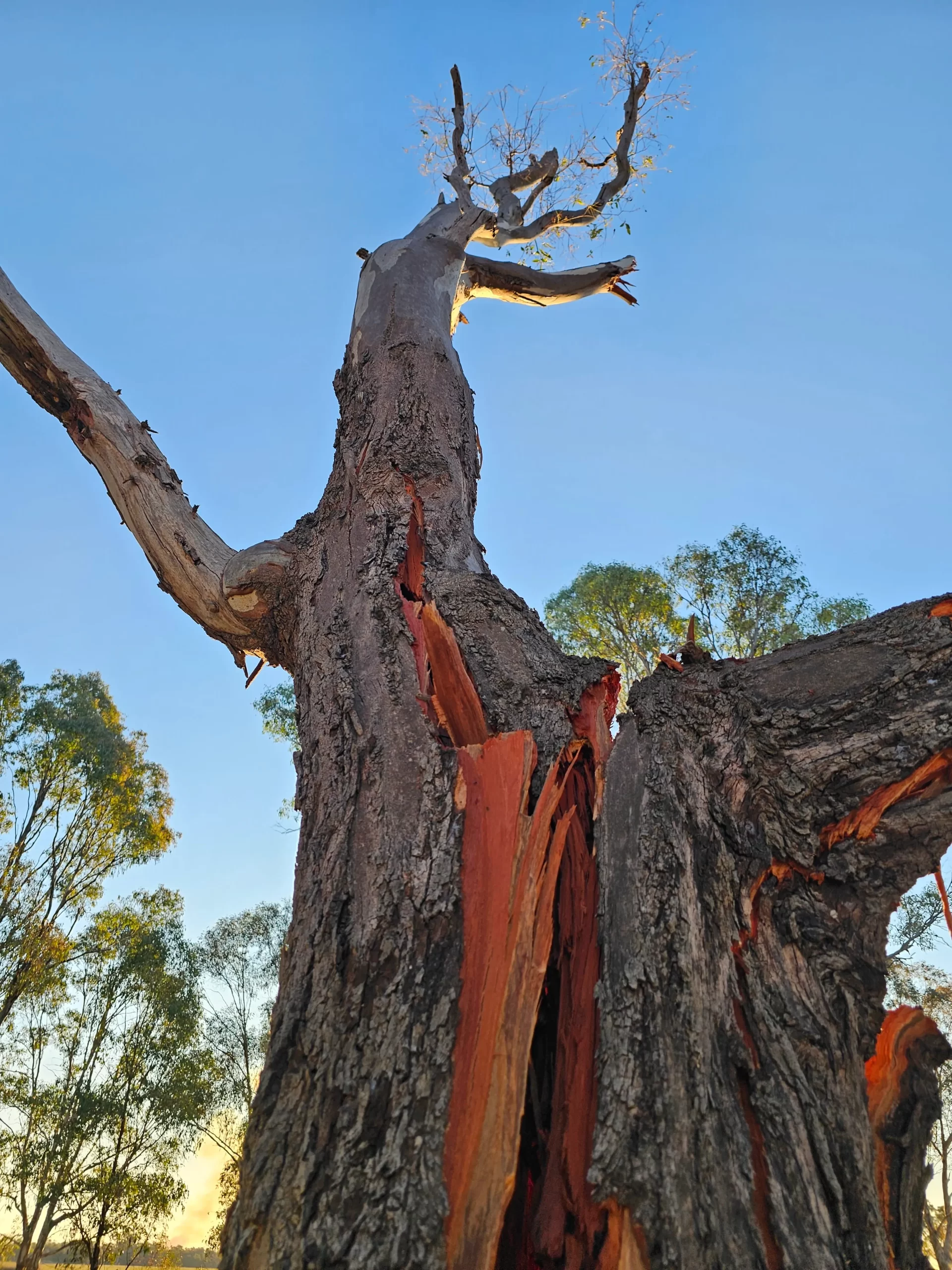
Extended heat and drought place significant physiological stress on many tree species. Eucalypts, in particular, are known to experience summer branch drop, a phenomenon that can continue into early autumn. Branch failures may occur without strong winds, making proactive inspections and deadwood removal especially important during this period.
Evergreen species present seasonal challenges as full canopies and increased soil moisture can expose existing structural weaknesses under changing wind conditions. Proactive structural pruning and weight reduction help improve tree stability ahead of winter weather. All pruning works should be carried out in accordance with AS 4373–2007 to ensure best practice outcomes and minimise long-term risk.
Building a Safer, More Resilient Urban Forest
Effective urban tree management relies on a proactive, seasonally informed approach to risk and asset protection. By identifying and managing Autumn tree hazards early, councils can reduce public liability, protect infrastructure, and support the long-term health of their urban forest. Arbor Dynamics provides specialised arboricultural services, including tree audits, risk assessments, and strategic pruning programs tailored to local government needs.
Prepare your community for the months ahead. Contact us to discuss a professional site assessment or learn more about our comprehensive arboricultural services.
Related Blog Articles:
Professional Tree Removal Services: What Government, Schools and Commercial Sites Should Expect
The Importance of Compliant Arborist Services for Government and Public Sector Sites