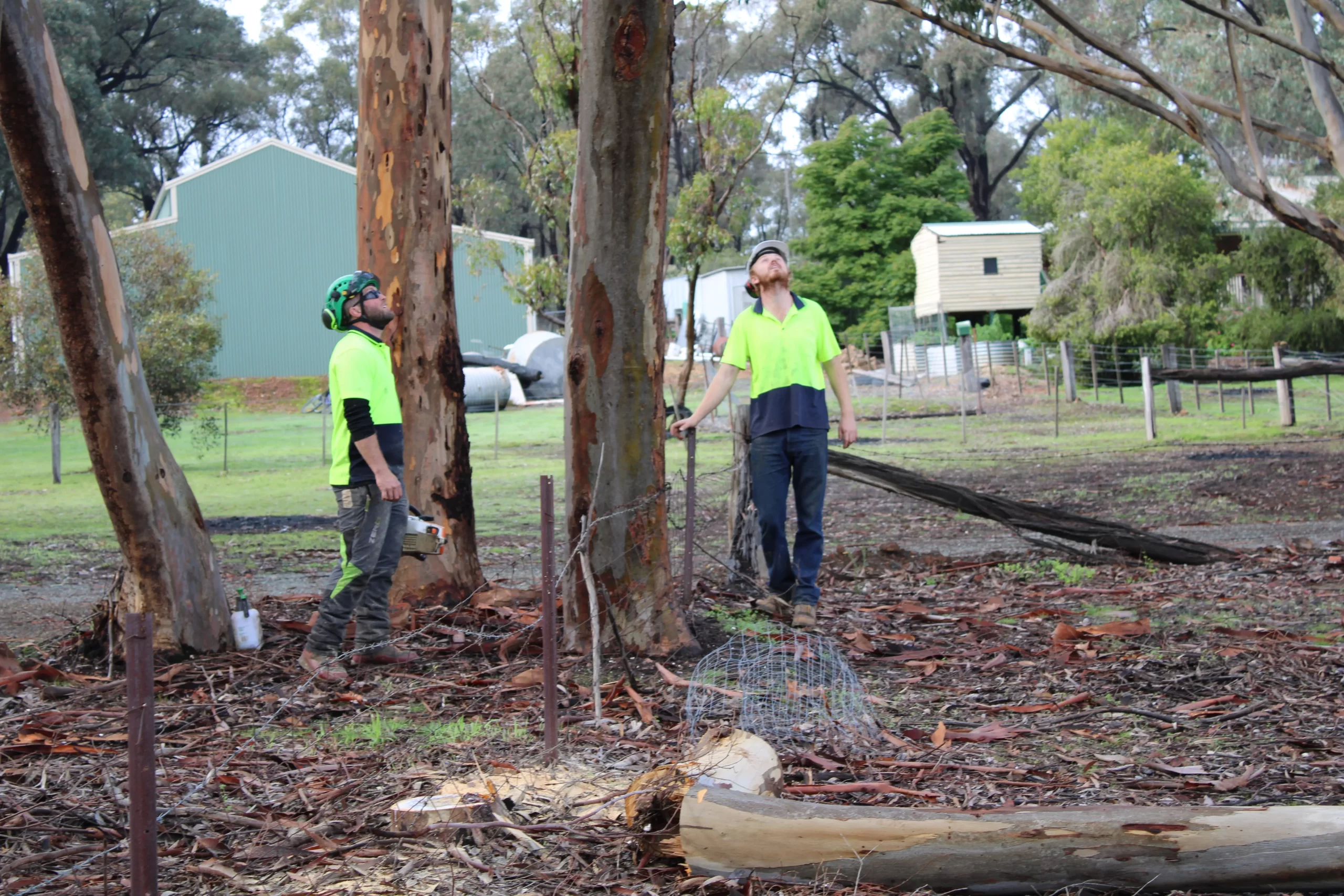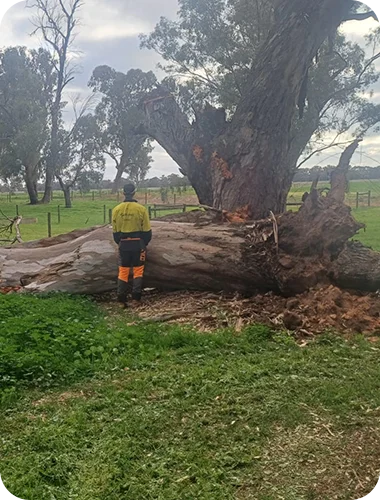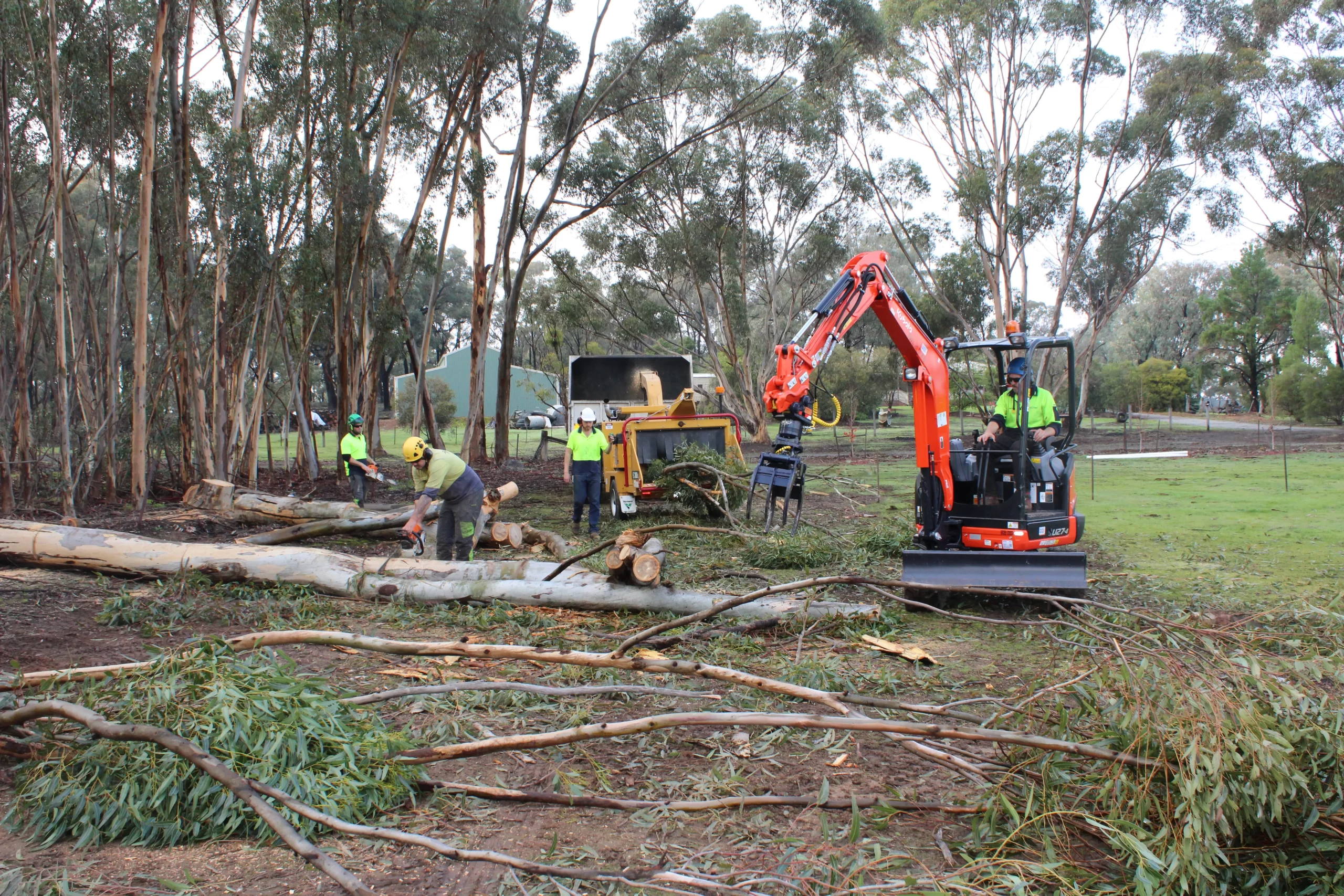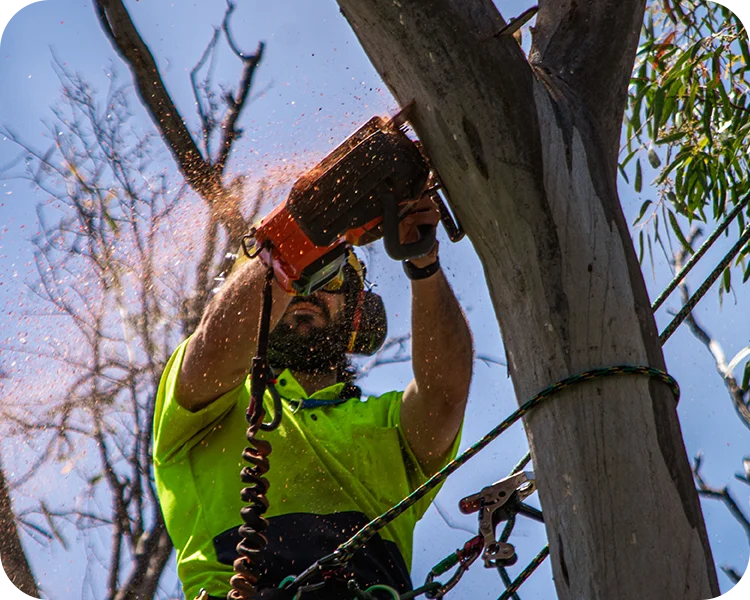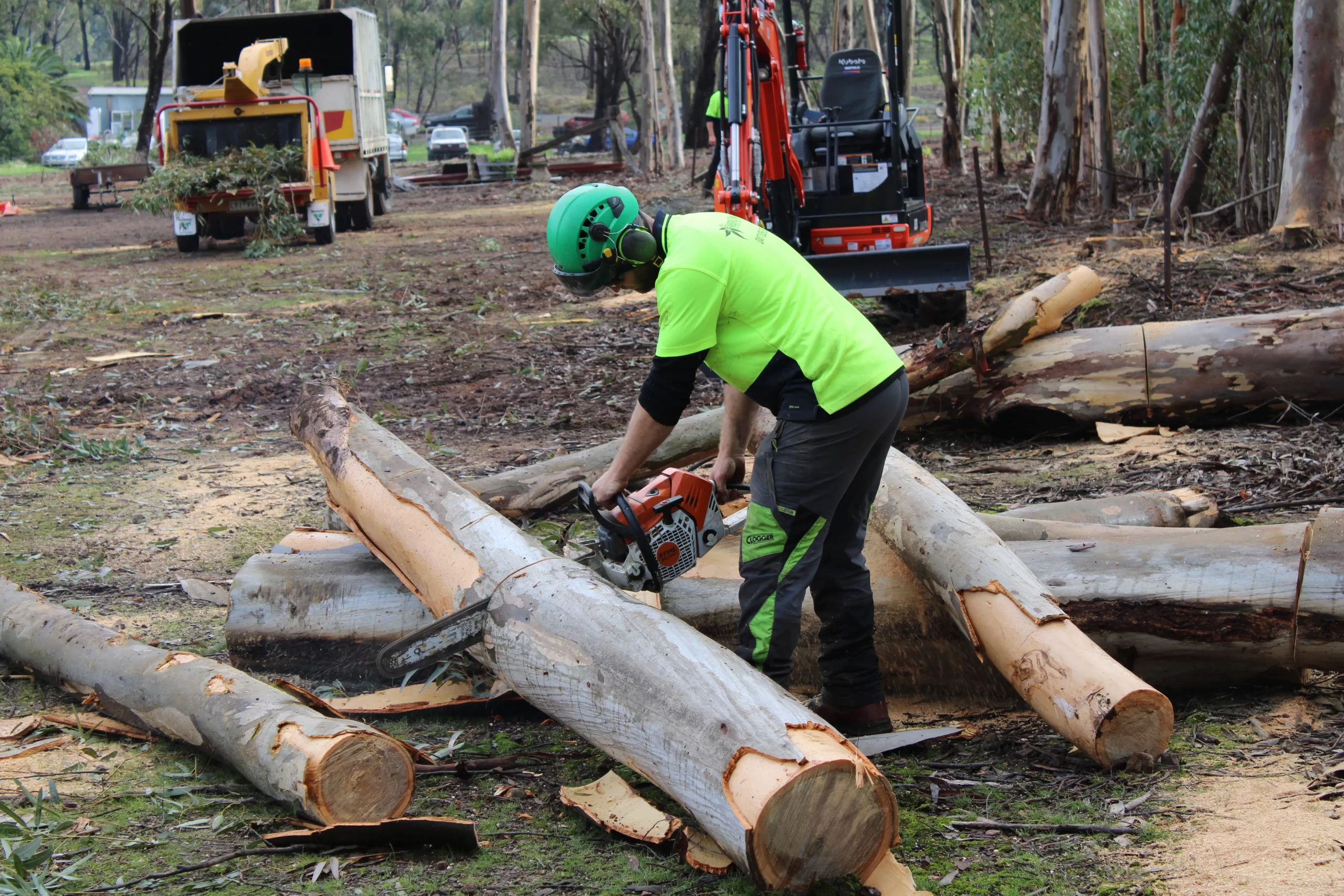
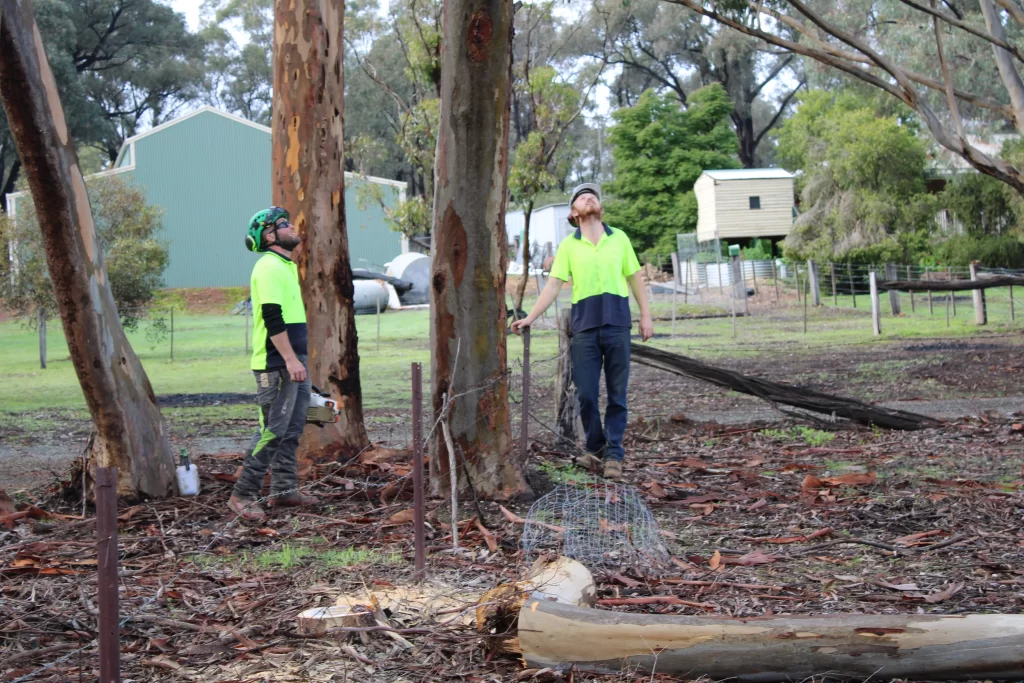
Arbor Dynamics provides professional post-storm tree inspections to identify hidden damage, reduce risk, and protect properties after severe weather.
Severe storms are common across Australia, particularly in regional and semi-rural areas where mature trees are prevalent. Strong winds and heavy rainfall can cause significant stress to trees, resulting in damage that is not always immediately visible despite the removal of fallen branches. This is why post-storm tree inspections are essential, allowing hidden structural risks to be identified early and preventing more serious and costly issues from developing.
How Storms Impact Tree Health and Stability
Storms affect trees both above and below ground, placing significant stress on their structural integrity. High winds can twist trunks and crack major limbs, while prolonged rainfall weakens soil and compromises root systems, even when trees appear stable. Over time, this hidden damage increases the risk of failure, posing potential danger to nearby structures, vehicles, and people.
Why Post-Storm Tree Inspections Are Critical After Severe Weather
Professional assessment after a storm is a critical part of responsible tree management. Post-storm tree inspections carried out by qualified arborists involve a thorough evaluation of tree stability, structural integrity, and overall condition to identify hidden hazards. Early inspection enables informed decisions on pruning, structural support, or removal while ensuring all actions comply with Australian arboricultural and safety standards.
At Arbor Dynamics, post-storm assessments are delivered through our Emergency Storm Damage Response and professional Tree Assessments & Reports, providing property owners with clear guidance and practical solutions following severe weather events.
Hidden Tree Damage Homeowners Often Miss
Storm-related tree damage is often subtle and can worsen over time if left unaddressed. Professional arborists are trained to detect issues that are commonly overlooked.
• Internal Cracks – Strong winds can cause internal fractures within trunks or major branches without visible external signs. These cracks weaken the tree’s structure and can result in sudden failure, even under normal conditions.
• Root Plate Movement – Excessive rainfall and wind pressure can shift or partially lift the root plate, reducing anchorage and stability. Root movement is a serious concern, particularly for large or mature trees near buildings or access areas.
• Stress Fractures in Major Limbs – Heavy canopy movement during storms can create stress fractures at branch unions. These fractures may progressively worsen, increasing the likelihood of branch drop and creating an ongoing safety hazard.
The Risks of Delaying Action After a Storm
Delaying professional assessment after storm damage increases both safety risks and long-term costs. What begins as minor structural damage can deteriorate rapidly, particularly during subsequent weather events. Property owners who delay action may face unexpected failures and increased liability, including:
• Falling limbs or trees causing injury or property damage
• Escalating repair and removal costs
• Increased liability risks for property owners
Prompt inspection and management reduce uncertainty and help prevent emergencies.
Protect Your Property with Arbor Dynamics’ Post-Storm Tree Inspections
Arbor Dynamics provides reliable, professional post-storm tree inspections as part of our comprehensive emergency response and assessment services across North Central Victoria and southern New South Wales. Our experienced arborists deliver detailed evaluations, practical recommendations, and clear reporting to help protect people, property, and valuable tree assets.
Contact us to arrange a professional inspection and access expert arboricultural services designed to manage risk, maintain safety, and prevent bigger problems from developing.
Related Blog Articles:
Professional Tree Removal Services: What Government, Schools and Commercial Sites Should Expect
The Importance of Compliant Arborist Services for Government and Public Sector Sites